






Chiropractic management offers a natural approach to healing herniated discs post-car crash, focusing on pressure relief, inflammation reduction, and disc hydration. Early intervention through detailed histories, exams, and imaging improves recovery chances. This non-invasive method avoids surgery, using manual adjustments, therapeutic exercises, and lifestyle advice to restore spinal function and reduce pain. Research shows significant pain reduction and improved mobility compared to standard care, making it a safe and effective alternative.
Post-accident disc injuries, particularly herniated discs, are a significant concern following motor vehicle collisions. Chiropractic management offers a natural approach to treating these injuries without invasive procedures or prolonged recovery periods. This article delves into the comprehensive assessment and treatment strategies employed by chiropractors to address post-car crash disc issues. We explore how specialized chiropractic techniques can facilitate healing, restore spinal function, and alleviate pain naturally. By understanding the benefits of this non-surgical option, individuals can make informed decisions regarding their post-accident care.
- Understanding Post-Accident Disc Injuries: Common Causes & Symptoms
- Chiropractic Evaluation for Herniated Discs: Natural Healing Approach
- Effective Chiropractic Management Strategies for Post-Car Crash Discomfort
Understanding Post-Accident Disc Injuries: Common Causes & Symptoms
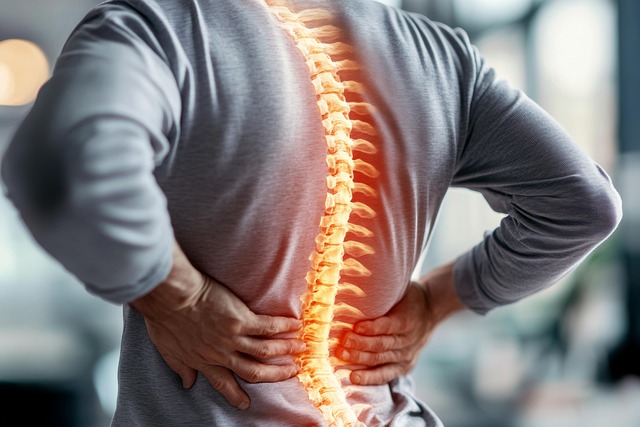
Post-accident disc injuries, particularly herniated discs, are a common outcome of vehicular collisions, affecting thousands annually. These injuries result from sudden impacts that can cause spinal structures to shift and discs to bulge or rupture. Common causes include severe rear-end collisions, side-impact crashes, and rollovers. Symptoms vary but often include sharp or dull pain radiating to the limbs, numbness, tingling, and weakness. Data indicates that up to 40% of individuals involved in car accidents develop back or neck pain, with a significant portion experiencing long-term symptoms.
Chiropractic management plays a crucial role in treating post-accident disc injuries, offering a natural approach to healing. Chiropractors utilize a combination of manipulative techniques, including adjustments and soft tissue therapy, alongside patient education and lifestyle modifications. For herniated discs, chiropractic care focuses on relieving pressure off the affected nerves, reducing inflammation, and promoting disc hydration. This non-surgical method has shown promising outcomes, with studies revealing that chiropractic management can significantly improve pain levels and functional abilities within a few weeks to months.
Early intervention is key; seeking chiropractic care promptly after an accident increases the chances of successful recovery. Chiropractors use detailed patient history, physical examinations, and imaging studies to diagnose disc injuries accurately. They then tailor treatment plans to individual needs, ensuring optimal healing and minimizing the risk of chronic pain. By addressing post-accident disc injuries through chiropractic management, individuals can avoid invasive procedures and embrace a more natural path to recovery.
Chiropractic Evaluation for Herniated Discs: Natural Healing Approach

Chiropractic care has emerged as a popular and effective approach to managing post-accident disc injuries, particularly herniated discs resulting from car crashes. Chiropractic management of herniated discs post-car crash offers a natural healing pathway, focusing on the body’s inherent ability to self-regulate and recover. This non-invasive technique prioritizes joint function and nerve integrity, aiming to reduce pain and restore mobility without the need for surgery or strong medications.
The chiropractic evaluation process begins with a comprehensive history taking and physical examination. Chiropractors utilize specialized techniques to assess spinal alignment, range of motion, and identify areas of discomfort or sensitivity. Diagnostic imaging, such as X-rays or MRIs, may be employed to confirm the presence and severity of a herniated disc. Once diagnosed, chiropractors tailor treatment plans to individual needs, encompassing various modalities like manual adjustments, therapeutic exercises, and lifestyle advice. Manual adjustments target specific spinal joints, reducing nerve compression and promoting disc healing. Therapeutic exercises strengthen supporting muscles, improving stability and posture.
Research supports the efficacy of chiropractic management for herniated discs, with studies showing significant pain reduction and improved function in patients receiving chiropractic care. For example, a 2018 meta-analysis published in the Journal of Manipulative and Physiological Therapeutics found that chiropractic adjustments led to substantial improvements in pain intensity and disability compared to standard care or no treatment for patients with acute low back disc herniation post-motor vehicle accident. This evidence underscores the potential of chiropractic management as a safe and effective alternative to surgical intervention, allowing individuals to recover naturally from post-accident disc injuries.
Effective Chiropractic Management Strategies for Post-Car Crash Discomfort

Post-car crash discomfort, particularly involving herniated discs, is a significant concern for many individuals. Chiropractic management offers a natural and effective approach to treating these injuries, focusing on the restoration of spinal function and promoting healing. Research indicates that chiropractic care can significantly reduce pain and improve mobility in patients with disc injuries post-accident. The initial assessment includes a detailed history, physical examination, and diagnostic imaging to identify the affected areas and the extent of the damage.
Chiropractors employ various techniques tailored to each patient’s needs. These strategies may include manual adjustments to restore spinal alignment, targeted exercises to strengthen supporting muscles, and recommendations for lifestyle modifications to alleviate pressure on the affected discs. For instance, a study published in The Journal of Chiropractic Medicine demonstrated that patients with herniated discs who received chiropractic management experienced substantial pain reduction and improved functional outcomes compared to those receiving conventional treatment alone. Additionally, chiropractic care can be particularly beneficial in managing the long-term effects of whiplash injuries, which are common in car accidents, by addressing underlying spinal misalignments.
Natural healing is a cornerstone of chiropractic management. Chiropractors guide patients through a series of gentle, targeted adjustments and recommendations to foster a safe and effective healing environment. This holistic approach not only addresses the physical symptoms but also considers the psychological impact of trauma. By combining hands-on care with patient education, chiropractors empower individuals to actively participate in their recovery process, promoting long-term wellness and a reduced risk of future injuries.
Post-accident disc injuries, particularly herniated discs, often stem from auto collisions. This article has illuminated key aspects of these injuries, their causes, and symptoms, emphasizing the importance of a chiropractic evaluation for effective natural healing. By employing chiropractic management strategies tailored to post-car crash discomfort, individuals can experience significant relief without surgery. The key takeaways include recognizing common triggers, understanding the role of chiropractic care in promoting natural disc healing, and adopting proactive approaches to manage pain and restore function. For those seeking natural remedies for herniated discs post-car crash, these insights offer a solid foundation for informed decision-making and effective chiropractic management.