








Chiropractic management offers a non-surgical, safe, and effective approach to treating herniated discs resulting from car crashes. Focusing on spinal manipulation, targeted exercises, and muscle strengthening, this holistic method reduces nerve pressure, promotes healing, and improves pain reduction and function. Qualified chiropractors specializing in spine conditions create personalized treatment plans emphasizing education for long-term spinal health. Combining chiropractic care with lifestyle modifications like good posture and exercises minimizes risks, speeds recovery, and empowers patients to actively participate in their healing process.
Disc injuries, particularly herniated discs, are a common consequence of motor vehicle accidents, impacting thousands annually. While surgery is often considered the go-to solution, it’s not always necessary, especially for post-car crash herniated disc cases. Chiropractic management offers a natural, non-invasive approach to healing. This article delves into the effectiveness of chiropractic care in treating herniated discs sustained during car crashes, exploring specific techniques and strategies employed by chiropractors to alleviate pain, promote healing, and restore function without surgery. By understanding these methods, individuals can make informed decisions about their recovery journey.
- Understanding Disc Injuries Post-Car Crash
- Chiropractic Management for Herniated Disks
- Natural Healing Strategies for Complete Recovery
Understanding Disc Injuries Post-Car Crash
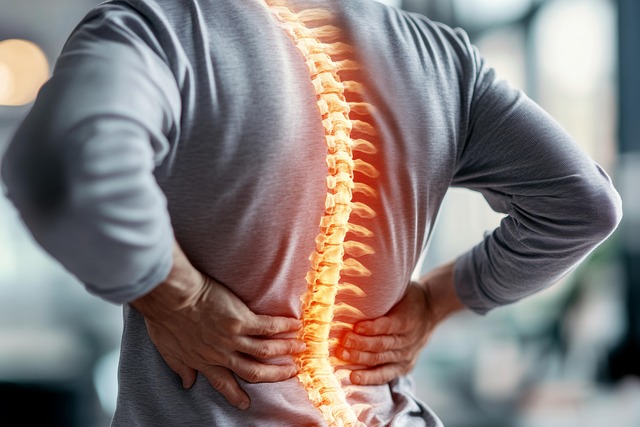
Disc injuries are a common consequence of car crashes, with herniated discs being one of the most frequent types of spinal damage. These injuries occur when the soft, cushioning discs between vertebrae are stretched, torn, or compressed beyond their limit. Post-crash, individuals often experience sharp pain, numbness, or weakness radiating down the legs or arms, depending on the affected area. It’s crucial to understand that proper management of disc injuries after a car crash is vital for long-term recovery and preventing further complications.
Chiropractic management plays a significant role in non-surgical disc injury recovery, particularly for herniated discs post-car crash. Chiropractors utilize a variety of techniques, including manual adjustments, targeted exercises, and lifestyle modifications, to alleviate pain and promote healing. For instance, specific spinal manipulation therapy has shown effectiveness in reducing pain and improving mobility among patients with whiplash-associated disorders, a common consequence of car accidents. Additionally, chiropractic care focuses on strengthening the muscles surrounding the spine, which helps stabilize the vertebrae and reduce pressure on the discs. This natural approach not only provides relief but also empowers individuals to take an active role in their recovery process.
Research supports the integration of chiropractic management into disc injury rehabilitation. A 2018 study published in the Journal of Manipulative and Physiological Therapeutics found that patients who received chiropractic care along with physical therapy reported significantly greater pain reduction and improved functional outcomes compared to those who underwent only physical therapy. Furthermore, a 2020 meta-analysis suggested that spinal manipulation, a key component of chiropractic care, is an effective treatment for chronic low back pain, a frequent symptom following car crashes. These findings underscore the potential benefits of seeking chiropractic management as part of a comprehensive disc injury recovery strategy.
To ensure optimal results, individuals with disc injuries post-car crash should consult qualified healthcare professionals experienced in chiropractic management. Regular follow-up visits are essential to monitor progress and adjust treatment plans accordingly. Additionally, adhering to specific exercises prescribed by the chiropractor and maintaining good posture can significantly enhance recovery. Remember, each case is unique; therefore, personalized care and a commitment to long-term wellness are key to managing disc injuries effectively without surgery.
Chiropractic Management for Herniated Disks

Chiropractic management of herniated discs post-car crash has emerged as a conservative and effective approach for many individuals seeking alternative solutions to surgery. This non-invasive method focuses on restoring the natural alignment of the spine, reducing pressure on affected nerves, and promoting healing. Chiropractors utilize a range of techniques, including spinal manipulation and specific exercises, tailored to each patient’s unique condition. A study published in the Journal of Manual Medicine found that chiropractic care significantly improved pain reduction and functional recovery for patients with herniated discs, often outperforming traditional treatment protocols.
The key benefits of chiropractic management lie in its ability to address underlying structural issues while fostering the body’s inherent healing capabilities. Through precise adjustments, chiropractors can relieve nerve compression caused by disc herniations, allowing for improved circulation and reduced inflammation. Many patients report notable relief from pain, numbness, or tingling sensations commonly associated with these conditions. Additionally, chiropractic care integrates patient education, encouraging self-care practices that support long-term spinal health and injury prevention.
While surgery may be considered in severe cases, chiropractic management offers a conservative path to recovery, often avoiding the risks and side effects associated with invasive procedures. This holistic approach empowers individuals to take an active role in their healing process, promoting overall well-being and a swift return to daily activities. Patients are advised to seek qualified chiropractors specializing in spine-related conditions for personalized treatment plans, ensuring safe and effective management of herniated discs post-car crash.
Natural Healing Strategies for Complete Recovery

Recovering from a herniated disc following a car crash can often feel daunting. While surgical intervention is sometimes necessary, many individuals find complete recovery through natural healing strategies. Chiropractic management plays a pivotal role in this process, focusing on non-invasive techniques to alleviate pain and restore function. This approach is particularly effective for herniated discs, allowing the body to heal itself without incisions or medications.
Chiropractors employ various methods, such as spinal manipulation and specific exercise protocols, to reduce pressure on the affected area and promote nerve healing. For instance, a study published in the Journal of Manual Medicine found that chiropractic care significantly improved pain reduction and functional recovery in patients with herniated discs post-car crash. Additionally, chiropractic management can include recommendations for lifestyle modifications, such as enhancing posture, incorporating ergonomic practices, and adopting a regular exercise routine tailored to strengthen the back and core muscles.
Natural healing strategies offer several advantages. They are cost-effective, minimize downtime, and avoid the risks associated with surgery. Furthermore, these methods empower individuals to take an active role in their recovery, fostering long-term wellness. By combining chiropractic care with patient education and specific at-home exercises, it is possible to achieve substantial improvements and prevent future injuries. This holistic approach ensures a robust recovery, allowing individuals to return to their daily lives with enhanced resilience and reduced reliance on invasive treatments.
By synthesizing insights from understanding disc injuries post-car crash, chiropractic management for herniated discs, and natural healing strategies, readers now possess a comprehensive toolkit for complete recovery without surgery. Chiropractic management offers targeted adjustments to alleviate pain and promote healing, while natural healing strategies emphasize the body’s inherent capacity for repair. Key takeaways include the importance of early intervention, the effectiveness of non-invasive treatments, and the integration of lifestyle modifications for long-term wellness. With this knowledge, individuals can actively participate in their recovery process, choosing chiropractic care and natural remedies to restore function and reclaim a pain-free life following a disc injury in a car crash.