
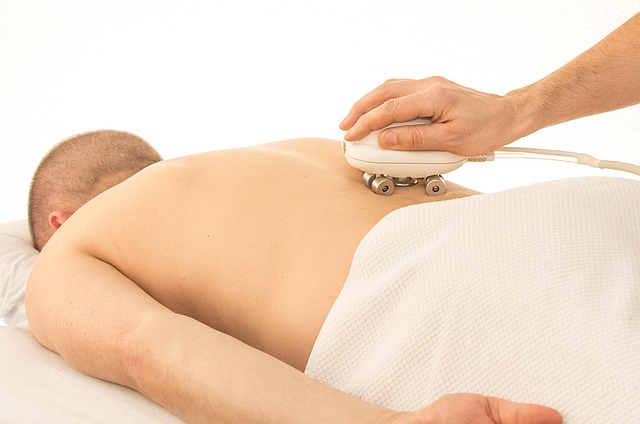






Post-car crash herniated discs are treated with chiropractic management using non-invasive techniques like spinal adjustments to realign vertebrae and reduce disc pressure. Comprehensive exams include orthopedic and neurological tests plus imaging to assess spine trauma, range of motion, muscle spasms, and nerve damage. Chiropractic care offers tailored treatment plans combining manual adjustments, exercises, heat/ice therapy, electrical stimulation, and ultrasound to alleviate pain, promote healing, restore function, and provide long-term support.
After a car crash, injuries can include damaged discs in the spine—a common occurrence that may require specialized care. This article explores the intricacies of post-accident disc injuries and the role of chiropractic examinations. We delve into understanding these injuries, focusing on herniated disks, and the techniques chiropractors use to assess them. Additionally, it discusses effective chiropractic management strategies for mitigating pain and promoting healing following a post-car crash diagnosis.
- Understanding Post-Accident Disc Injuries
- Chiropractic Exam: Assessment Techniques
- Chiropractic Management Strategies for Herniated Disks
Understanding Post-Accident Disc Injuries
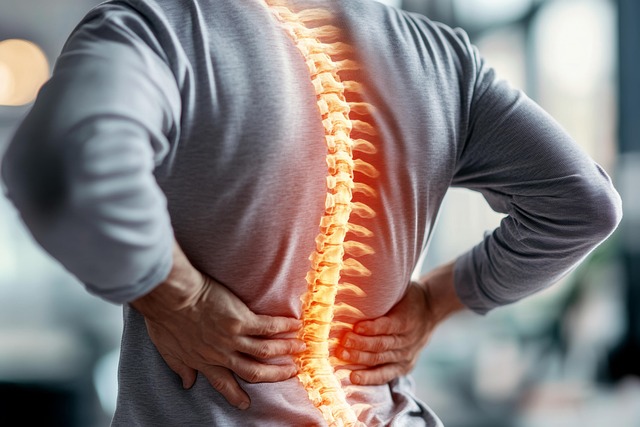
Post-accident disc injuries, especially herniated or slipped discs, are a common consequence of automotive collisions. These injuries occur when the sudden impact and force of a car crash overwhelm the spine’s natural shock absorbers—the intervertebral discs. During an accident, the vertebrae (bones of the spine) can be jolted out of alignment, compressing or stretching these discs beyond their normal range of motion. This can lead to disc herniation, where the inner soft core pushes through a tear in the outer ring, potentially irritating nearby nerves and causing pain, numbness, or weakness.
Chiropractic management plays a crucial role in treating post-car crash disc injuries. Chiropractors use a variety of non-invasive techniques, including spinal adjustments, to help realign the vertebrae and reduce pressure on the affected discs. This conservative approach can alleviate symptoms, promote healing, and improve overall spinal function. By addressing these injuries promptly, chiropractic care can prevent further complications and hasten the recovery process for individuals who have suffered disc damage in a post-accident setting.
Chiropractic Exam: Assessment Techniques

A comprehensive chiropractic exam for post-accident disc injuries involves a series of meticulous assessment techniques designed to pinpoint the source of pain and determine the best course of chiropractic management for herniated discs resulting from car crashes. Chiropractors employ a combination of orthopedic and neurological tests, along with advanced imaging like X-rays and MRI scans, to gain a complete picture of the patient’s condition.
During the exam, the chiropractor will carefully examine the spine for any visible signs of trauma, checking for restricted range of motion, muscle spasms, and pain provocation at specific points. Neurological testing may include assessing reflexes, sensory functions, and motor strength to identify potential nerve compression or damage. By integrating these assessment techniques, chiropractors can develop a tailored treatment plan focused on reducing pain, promoting healing, and restoring functionality in patients experiencing disc injuries after a post-car crash.
Chiropractic Management Strategies for Herniated Disks

Chiropractic care plays a significant role in managing herniated disks, especially after a post-car crash injury. Chiropractors employ various non-invasive strategies to alleviate pain and promote healing. This often includes manual adjustments to the spine to reduce pressure on affected nerves and restore proper joint function.
In addition to adjustments, chiropractors may recommend specific exercises and stretching routines tailored to strengthen the back and core muscles, providing long-term support for the spine. They also utilize modalities like heat/ice therapy, electrical stimulation, and ultrasound to reduce inflammation, ease discomfort, and enhance the healing process for herniated discs post-accident.
Post-accident disc injuries, especially herniated disks, can significantly impact an individual’s quality of life. A comprehensive chiropractic exam, utilizing advanced assessment techniques, offers a non-invasive approach to diagnosing and managing these conditions. Through specialized adjustments and tailored management strategies, chiropractors can play a pivotal role in alleviating pain, restoring mobility, and enhancing recovery for individuals suffering from post-car crash injuries. By integrating chiropractic care into their recovery plan, patients can look forward to a more comfortable, pain-free future.