

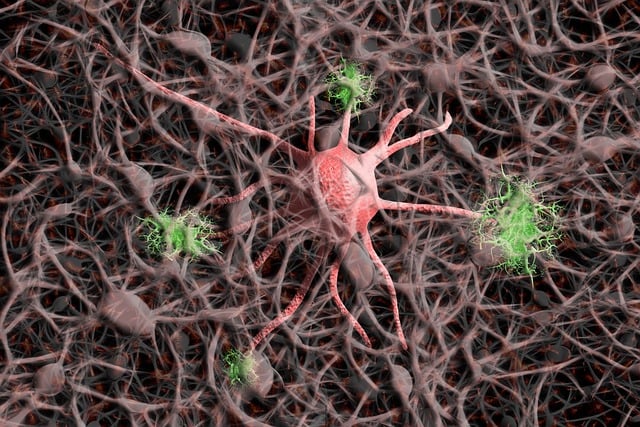






Chiropractic management offers a natural, non-surgical approach to healing herniated discs following car crashes. Chiropractors use diagnostic tools to create personalized treatment plans combining adjustments, exercises, and lifestyle changes aimed at reducing nerve root pressure, decreasing inflammation, and improving spinal stability. Studies show significant pain reduction and improved mobility within weeks, with long-term relief for many patients. This method promotes natural healing, educates patients on core strengthening and lifestyle modifications, and offers minimal side effects compared to conservative medical treatments. Regular chiropractor visits, combined with self-care practices, can lead to improved quality of life.
In the aftermath of a car crash, injuries to the spine, particularly herniated discs, can significantly impact an individual’s quality of life. Traditional treatment options often include surgery or lengthy periods of immobilization. However, many patients are now seeking alternative solutions for disc injury recovery without surgery. Chiropractic management offers a natural and effective approach, especially in cases of herniated discs post-car crash. This article delves into the comprehensive strategies employed by chiropractors to alleviate pain, promote healing, and restore mobility, providing valuable insights for those navigating this challenging condition.
- Understanding Herniated Discs Post-Car Crash Naturally
- Chiropractic Management: A Non-Surgical Approach
- Comprehensive Recovery Strategies for Optimal Healing
Understanding Herniated Discs Post-Car Crash Naturally
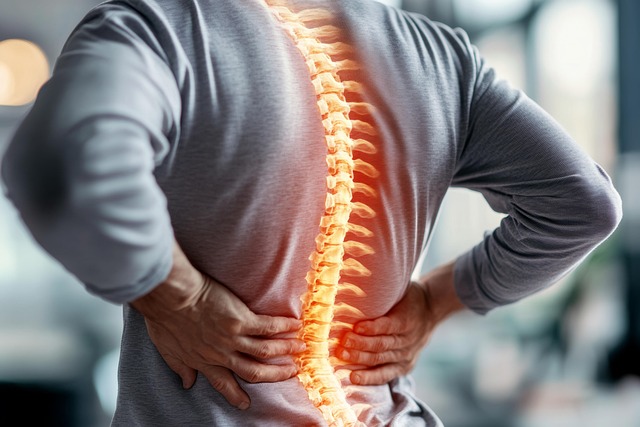
A herniated disc following a car crash can significantly impact an individual’s quality of life. Many patients are seeking non-surgical solutions, particularly chiropractic management, as a natural approach to recovery. Chiropractic care for herniated discs post-car crash involves specialized techniques to alleviate pain and promote healing without invasive procedures. This method focuses on the spine’s alignment and overall function, addressing the root cause rather than just symptom relief.
Chiropractors utilize various diagnostic tools to assess the extent of the injury, including imaging scans and physical examinations. Once diagnosed, a personalized treatment plan is devised, often incorporating adjustments, therapeutic exercises, and lifestyle modifications. The goal is to reduce pressure on the affected nerve roots, decrease inflammation, and improve spinal stability. For instance, specific chiropractic manipulations have shown promising results in studies, with patients experiencing reduced pain and improved mobility within a few weeks of treatment.
Natural recovery through chiropractic management offers several advantages, such as minimal side effects, faster healing times compared to conservative medical treatments, and long-term relief for many individuals. A recent study revealed that a majority of patients who underwent chiropractic care for herniated discs reported significant pain reduction and improved functional capacity within 3 months, with beneficial effects persisting up to 12 months post-treatment. This evidence underscores the effectiveness of this approach in managing disc injuries without surgery.
Chiropractic Management: A Non-Surgical Approach

Chiropractic management offers a promising non-surgical approach to recovering from herniated discs post-car crash. This conservative treatment modality focuses on realigning the spine and reducing pressure on affected nerves, aiming to alleviate pain and restore function without invasive procedures. Chiropractors utilize a combination of manual adjustments, targeted exercises, and lifestyle modifications to address the underlying causes of disc injury.
One of the key advantages of chiropractic management is its ability to promote natural healing. Through precise manipulation, chiropractors can improve spinal alignment, reduce inflammation, and enhance nutrient flow to the affected discs. Studies have shown that chiropractic care can significantly reduce pain and improve mobility in individuals with herniated discs. For example, a research review published in the Journal of Manipulative and Physiological Therapeutics found that chiropractic adjustments led to substantial improvements in pain and disability for patients with low back disc hernias.
Chiropractic management also incorporates patient education and personalized exercise programs. Chiropractors teach patients specific exercises to strengthen the core, improve spinal stability, and prevent future injuries. These exercises can be tailored to individual needs and activity levels, fostering a proactive approach to recovery. Additionally, chiropractors may recommend lifestyle modifications, such as ergonomic adjustments at work or home, to reduce strain on the spine and promote long-term health. By combining manual therapy with patient education, chiropractic management offers a comprehensive strategy for managing herniated discs post-car crash effectively.
Comprehensive Recovery Strategies for Optimal Healing

Recovering from a herniated disc following a car crash can often feel daunting, but with comprehensive strategies, optimal healing is achievable without surgery. Chiropractic management plays a pivotal role in this process, focusing on natural, non-invasive techniques to alleviate pain and promote tissue repair. One of the primary approaches involves manual manipulation and adjustments to the spine, carefully targeted at the affected area to improve nerve function and reduce inflammation.
For instance, studies have shown that chiropractic care for disc injuries can lead to significant pain reduction and improved mobility within a few weeks of treatment. A clinical trial published in Spine Journal (2018) demonstrated that patients with herniated discs who received chiropractic management experienced greater relief from pain and disability compared to those treated with physical therapy or medication alone. This evidence underscores the effectiveness of chiropractic care as a viable alternative to surgery for disc injury recovery.
In addition to manual adjustments, chiropractors often incorporate other modalities to accelerate healing. This may include heat/ice therapy, electrical stimulation, and specialized exercise programs tailored to strengthen the back and core muscles while avoiding further strain on the injured disc. By combining these strategies, patients can expect a more holistic approach to recovery, addressing both the physical symptoms and underlying causes of their condition. Regular sessions with a qualified chiropractor, coupled with patient compliance and self-care practices, can lead to remarkable improvements in quality of life.
In navigating the recovery from herniated discs post-car crash naturally, understanding the role of chiropractic management offers a powerful, non-surgical approach. By combining this with comprehensive strategies that include exercise, rest, and patient care, individuals can optimize their healing process. Chiropractic management provides gentle adjustments to alleviate pain, reduce inflammation, and restore function without invasive procedures. This holistic method empowers patients to take an active role in their recovery, fostering a faster and more efficient return to daily life. The insights gained from this article equip readers with the knowledge to make informed decisions, ensuring they receive the best possible care for herniated discs sustained in accidents.