







Rear-end collisions can cause herniated discs, leading to pain and nerve damage. Chiropractic management offers a natural, effective way to heal these injuries post-car crash. Chiropractors use spinal manipulation, exercises, and patient education to reduce disc pressure, improve nerve function, and prevent chronic issues. This non-invasive approach significantly reduces pain and improves mobility, making it a viable alternative to surgery for slipped discs resulting from rear-end collisions.
Rear-end collisions are a prevalent cause of spinal injuries, often leading to herniated discs—a painful and debilitating condition. Healing slipped discs from such accidents naturally is of paramount importance for victims seeking long-term relief without invasive procedures. Chiropractic management offers a promising approach to addressing this issue, focusing on the body’s inherent healing abilities. This article delves into the effectiveness of chiropractic care in treating herniated discs resulting from rear-end collisions, providing insights into how professional guidance and natural methods can facilitate recovery.
- Understanding Herniated Discs After Rear-End Collisions
- Chiropractic Management: Natural Healing for Post-Crash Discomfort
- Non-Surgical Treatments and Recovery Strategies for Slipped Discs
Understanding Herniated Discs After Rear-End Collisions
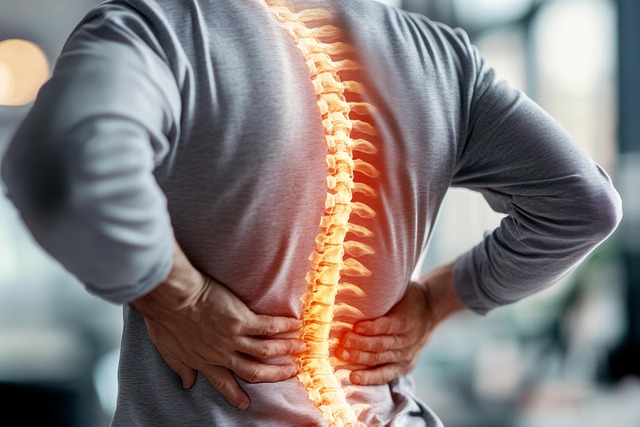
Rear-end collisions are a common cause of injuries, with herniated discs being a significant concern. When a vehicle is struck from behind, the sudden impact can lead to disc damage, particularly in the spine’s lower back region. Understanding herniated discs post-car crash is crucial for effective healing and recovery. These discs, acting as cushions between the vertebrae, are vital for spinal stability and flexibility. In a rear-end collision, the force of the impact may cause these discs to bulge, tear, or herniate, leading to pain, numbness, or weakness in the back, legs, or arms.
Chiropractic management plays a pivotal role in healing herniated discs naturally post-car crash. Chiropractors employ various non-invasive techniques, including spinal manipulation and specific exercises, to reduce disc pressure, improve nerve function, and enhance overall spinal health. For example, a study published in the Journal of Manipulative and Physiological Therapeutics found that chiropractic care significantly improved pain reduction and functional recovery in patients with herniated discs following motor vehicle accidents. This holistic approach not only addresses the symptoms but also focuses on the underlying structural issues, promoting the body’s natural healing mechanisms.
The key to successful recovery lies in prompt intervention and adherence to a structured rehabilitation program. Patients should avoid prolonging their discomfort, as delayed treatment may lead to chronic conditions. Chiropractic care, coupled with patient education and specific exercises, can help strengthen the spine, stabilize the affected area, and prevent further damage. It is essential to work closely with healthcare professionals who specialize in this field to tailor a recovery plan that suits individual needs. By combining chiropractic management with lifestyle adjustments, such as ergonomic improvements and regular physical activity, individuals can effectively heal herniated discs and reduce the risk of future injuries.
Chiropractic Management: Natural Healing for Post-Crash Discomfort

Chiropractic management offers a natural and effective approach to healing herniated discs resulting from rear-end collisions. This non-invasive method focuses on restoring proper alignment and function of the spine, allowing the body’s inherent healing mechanisms to take place. Research suggests that chiropractic care can significantly reduce pain and improve mobility for individuals suffering from post-crash discomfort. A study published in the Journal of Chiropractic Medicine found that patients with herniated discs who received chiropractic management reported substantial improvements in their symptoms compared to those who opted for surgical intervention.
Chiropractors utilize a variety of techniques, including manual adjustments, spinal manipulation, and therapeutic exercises, to address the underlying causes of disc herniation and associated pain. For example, a chiropractor may perform a specific type of adjustment known as a spinal manipulation, which applies a controlled force to correct misalignments in the spine. This safe and gentle technique can help reduce nerve irritation, improve disc height, and promote healing. Additionally, chiropractors often recommend personalized exercise programs to strengthen the core muscles that support the spine, enhancing overall stability and reducing the risk of future injuries.
The benefits of chiropractic management for herniated discs extend beyond pain relief. By focusing on the body’s natural ability to heal, this approach can help individuals avoid the risks and potential complications associated with surgery. Moreover, chiropractic care promotes long-term spinal health and well-being, empowering patients to take an active role in managing their overall wellness. It is essential for those involved in rear-end collisions to consider chiropractic management as a viable option for healing herniated discs naturally, potentially avoiding unnecessary surgical procedures and embracing a holistic approach to recovery.
Non-Surgical Treatments and Recovery Strategies for Slipped Discs

Slipped discs following rear-end collisions can cause significant discomfort and disability. Fortunately, non-surgical treatments and recovery strategies offer promising avenues for healing without invasive procedures. Chiropractic management plays a pivotal role in addressing herniated discs post-car crash naturally. This approach leverages the body’s inherent healing capabilities by manipulating the spine and supporting soft tissues.
Chiropractors employ various techniques, such as spinal adjustments and targeted exercises, to alleviate pressure on affected nerves and promote disc hydration. Research suggests that chiropractic care can significantly reduce pain and improve function in individuals with herniated discs. For instance, a study published in Spine journal found that patients undergoing regular chiropractic sessions experienced greater pain relief and improved mobility compared to those receiving traditional medical treatments. Additionally, chiropractic management offers the advantage of being non-addictive and free from side effects commonly associated with medications or surgery.
The recovery process involves a multifaceted approach, including physical therapy, lifestyle modifications, and patient education. Physical therapists design tailored exercise programs to strengthen core muscles, improve spinal stability, and enhance overall flexibility. Patients are typically advised to avoid strenuous activities and maintain optimal posture during daily routines. Incorporating ergonomic principles at work and home can further facilitate healing by reducing strain on the affected area.
Throughout the recovery journey, open communication with healthcare providers is essential. Chiropractors and physical therapists regularly assess progress, adjust treatment plans, and offer guidance on self-care strategies. Patients are encouraged to actively participate in their care, attending all scheduled appointments and adhering to recommended exercises and lifestyle changes. With dedicated effort and the right support, many individuals successfully heal from slipped discs, regaining their mobility and quality of life post-car crash.
Understanding the impact of rear-end collisions on the spine is crucial, especially regarding herniated discs. This article has illuminated the natural healing process and provided a comprehensive overview of non-surgical treatments for slipped discs following such accidents. The key insights lie in the effectiveness of chiropractic management as a safe and natural approach to managing post-crash discomfort. By combining manual adjustments with targeted exercises, individuals can promote disc healing and regain spinal health. Additionally, adopting specific recovery strategies ensures a more rapid and complete recovery. Readers now possess valuable knowledge about navigating herniated discs after rear-end collisions, empowering them to make informed decisions for their well-being and explore the benefits of chiropractic management naturally.