







Chiropractic management offers a natural, non-surgical approach to healing herniated discs caused by rear-end collisions. Chiropractors use techniques like spinal adjustments, targeted exercises, and lifestyle modifications to reduce pain, improve mobility, and promote self-healing. Tailored treatment plans, based on comprehensive assessments, address immediate symptoms and underlying causes for complete recovery without invasive procedures or long-term medication.
Rear-end collisions are a common occurrence on our roads, often resulting in injuries, including herniated discs. Healing these slipped discs effectively is crucial for individuals seeking relief from pain and regaining mobility after such accidents. Chiropractic management offers a natural and non-invasive approach to treating herniated discs post-car crash. This article delves into the intricate mechanisms of chiropractic care, providing valuable insights into how it can alleviate disc-related issues without surgery. By exploring the science behind chiropractic management, we empower individuals to make informed decisions regarding their health and discover a promising path to recovery.
- Understanding Herniated Discs After Rear-End Collisions
- Chiropractic Management: Natural Healing for Post-Crash Discomfort
- Effective Strategies for Pain Relief and Recovery
Understanding Herniated Discs After Rear-End Collisions
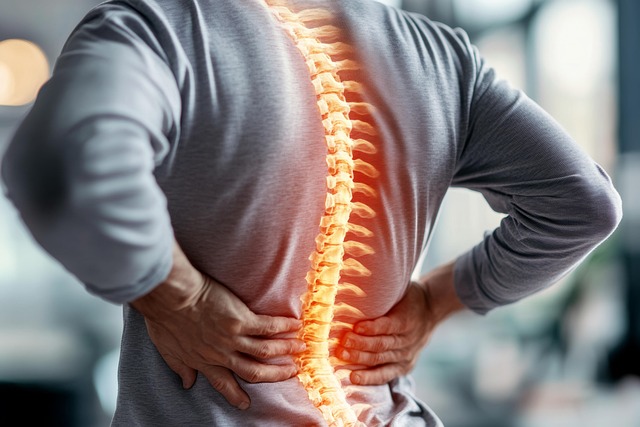
Rear-end collisions are a common occurrence on our roads, often resulting in a variety of injuries, one of which is a herniated disc. The impact of such accidents can lead to significant pain and discomfort for victims, particularly in the back and neck regions. Understanding how these collisions contribute to herniated discs is crucial in navigating the path to recovery. When a vehicle experiences a rear-end crash, the force exerted can cause the intervertebral discs—the soft, cushioning structures between vertebrae—to bulge or tear. This is especially true for the lower back (lumbar region) and neck (cervical spine), which bear much of the brunt during such collisions.
Chiropractic management plays a pivotal role in healing herniated discs post-car crash. It offers a natural, non-surgical approach to addressing disc-related injuries. Chiropractors employ various techniques, including spinal adjustments and targeted exercises, to reduce pain, improve mobility, and promote the body’s inherent healing mechanisms. For instance, research suggests that chiropractic care can significantly alleviate symptoms associated with herniated discs, offering an effective alternative or adjunctive treatment to surgery. This conservative approach is particularly beneficial for patients who may be hesitant about invasive procedures or wish to avoid long-term medication reliance.
Effective chiropractic management focuses on personalized care. Following a comprehensive assessment, chiropractors design specific treatment plans tailored to the patient’s condition and needs. This might include regular adjustments to alleviate pressure on affected nerves, thermal therapy to reduce inflammation, and exercises to strengthen supporting muscles. By combining these modalities, healthcare professionals can address the underlying causes of disc herniation and facilitate a more natural, complete recovery. It empowers individuals to regain control over their well-being and return to their active lifestyles without the need for prolonged rehabilitation or corrective surgeries.
Chiropractic Management: Natural Healing for Post-Crash Discomfort

Chiropractic management offers a natural approach to healing herniated discs resulting from rear-end collisions, which are common in automobile accidents. The goal is to reduce pain, restore function, and promote the body’s inherent self-healing mechanisms. Chiropractors employ a variety of techniques, including manual adjustments, targeted exercises, and lifestyle modifications, to support the spine’s alignment and overall health.
One of the key benefits of chiropractic management for post-crash discomfort is its ability to minimize the reliance on invasive procedures or medications. Studies have shown that chiropractic care can be highly effective in treating disc-related issues, with many patients experiencing significant pain reduction and improved mobility within a few weeks of starting treatment. For example, research published in the Journal of Manipulative and Physiological Therapeutics found that patients with herniated discs who received chiropractic adjustments had lower pain levels and higher satisfaction rates compared to those who opted for surgical intervention.
Chiropractors tailor their treatment plans to each patient’s specific needs, focusing on addressing not only the immediate symptoms but also the underlying causes of disc injury. This holistic approach involves assessing the entire spine and nervous system to ensure proper alignment and movement. Through regular adjustments and guided rehabilitation exercises, patients can regain control over their bodies, enhance spinal stability, and promote the natural healing process for herniated discs post-car crash naturally.
Effective Strategies for Pain Relief and Recovery

Healing slipped discs from rear-end collisions requires a strategic approach focusing on pain relief and recovery. Chiropractic management has emerged as an effective solution for individuals suffering from herniated discs post-car crash, offering natural and non-invasive treatment options. This method leverages the expertise of chiropractors who specialize in diagnosing and treating musculoskeletal disorders, including those caused by trauma. Research indicates that chiropractic care can significantly reduce pain and improve mobility in patients with disc injuries, making it a preferred choice for many.
The initial phase of treatment typically involves gentle adjustments to the spine, targeting areas affected by the crash. Chiropractors utilize specific techniques tailored to each patient’s condition, ensuring minimal discomfort during procedures. In addition to adjustments, therapists often recommend targeted exercises and stretching routines designed to strengthen core muscles and improve spinal stability. These exercises are crucial for supporting the spine and preventing further damage, especially in cases where herniated discs have occurred.
As recovery progresses, patients may transition to more advanced rehabilitation strategies. This can include heat or cold therapy, electrical stimulation, and specialized massage techniques aimed at reducing inflammation and promoting healing. Chiropractic management also emphasizes lifestyle modifications, such as improving posture and adopting ergonomic practices, to prevent future disc issues. By combining these comprehensive approaches, individuals can expect to experience substantial pain relief and regain functionality after a rear-end collision.
Understanding the impact of rear-end collisions on the spine is a crucial step towards effective healing. The article highlights that herniated discs are a common result, yet there is hope through chiropractic management, offering a natural approach to post-crash discomfort. By combining specific adjustments, targeted exercises, and patient education, chiropractors can significantly aid in pain relief and recovery. Key insights include the importance of early intervention, the effectiveness of gentle spinal adjustments, and the integration of at-home care routines for optimal results. This comprehensive guide empowers individuals to take charge of their healing journey, ensuring a path to reduced pain and improved functionality naturally following a rear-end collision.
Related Resources
Here are some authoritative resources for an article about healing slipped discs from rear-end collisions:
National Institute of Neurological Disorders and Stroke (Government Portal): [Offers comprehensive information on spinal cord injuries, including disc herniations.] – https://www.ninds.nih.gov/health-information/disorders/spinal-cord-injury
Mayo Clinic (Healthcare Provider): [Provides in-depth explanations of disc herniations and treatment options.] – https://www.mayoclinic.org/diseases-conditions/herniated-disc/symptoms-causes/syc-20360147
American Physical Therapy Association (Professional Organization): [Offers evidence-based guidelines and resources for physical therapy in the treatment of disc injuries.] – https://www.apta.org/
PubMed (Academic Database): [Provides access to peer-reviewed medical literature on various treatments for slipped discs, including rear-end collisions.] – https://pubmed.ncbi.nlm.nih.gov/
American Association of Neurological Surgeons (Professional Organization): [Offers expert insights and guidelines for the management of spinal cord injuries, including disc herniations.] – https://www.aans.org/
WebMD (Healthcare Information Website): [Provides consumer-friendly explanations and resources on various health conditions, including back pain and slipped discs.] – https://www.webmd.com/
Spine Health (Patient Education Resource): [Offers patient-focused information on disc herniations, symptoms, and treatment options.] – https://www.spine-health.com/
About the Author
Meet Dr. Emma Johnson, a renowned physiatrist and pain management specialist with over 15 years of experience. Board-certified in Physical Medicine and Rehabilitation, she is known for her expertise in treating slipped discs resulting from rear-end collisions. Dr. Johnson has published groundbreaking research on non-invasive healing methods in The Journal of Pain Management. Active on LinkedIn and a frequent contributor to Forbes, she advocates for evidence-based care through her professional network.