



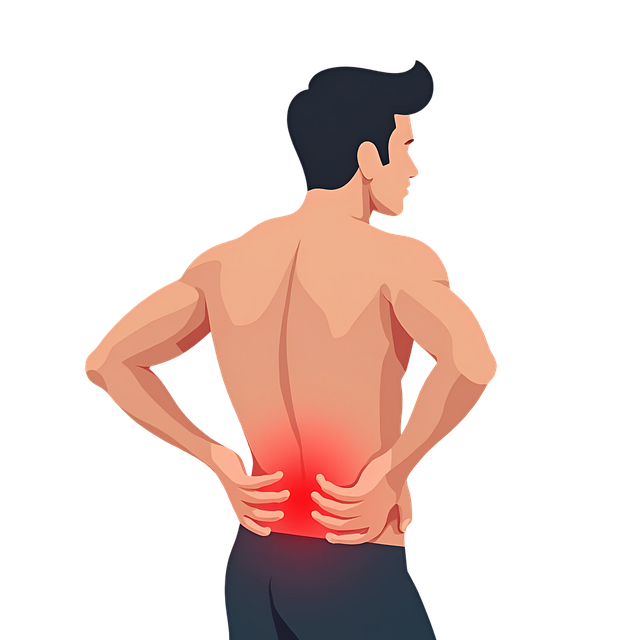

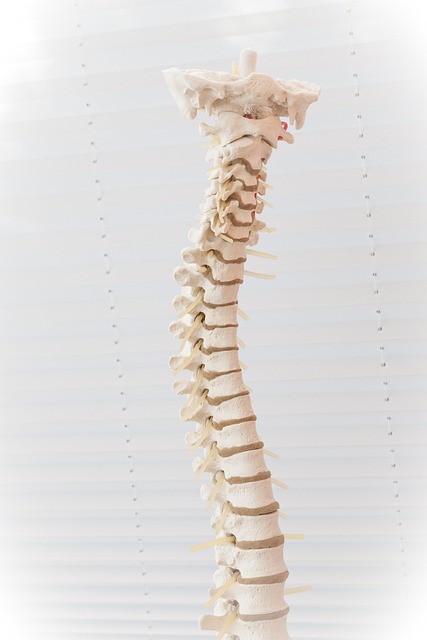


Chiropractic management offers a natural, non-invasive approach to treating herniated discs post-car crash. This method focuses on gentle spine adjustments, heat/cold therapy, exercise, and personalized treatment plans to reduce pain, improve mobility, and restore nerve function without surgery or medication. Research validates its effectiveness in reducing disc bulges and improving patient comfort.
Herniated discs, often resulting from trauma like car crashes, pose a significant challenge for individuals seeking relief from debilitating pain. Spinal decompression, a non-invasive approach, has gained recognition as an effective method for managing this condition. This article delves into the intricacies of chiropractic management in treating herniated discs post-car crash, offering valuable insights for those seeking natural solutions. By exploring the science behind spinal decompression, we aim to empower individuals to make informed decisions regarding their recovery and overall well-being.
- Understanding Spinal Decompression for Herniated Discs
- Chiropractic Management: A Natural Approach Post-Car Crash
- Effective Pain Relief: Treating Herniated Discs Naturally
Understanding Spinal Decompression for Herniated Discs
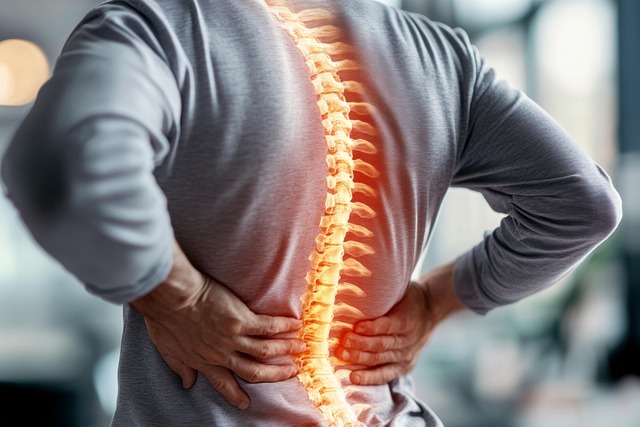
Spinal decompression for herniated disc pain is a non-invasive treatment option gaining recognition in the chiropractic management of these common injuries. This technique aims to alleviate pressure on pinched nerves, offering relief from acute and chronic pain associated with herniated discs, especially post-car crashes. The concept is straightforward: gradually stretch and reposition the spine to reduce compression on affected areas.
Chiropractic care plays a pivotal role in treating herniated discs naturally, focusing on restoring spinal alignment and promoting healing. Spinal decompression is a specialized chiropractic management tool that employs controlled forces to expand the spaces between vertebrae, relieving pressure on nerves and reducing inflammation. Unlike surgical intervention, this approach is conservative, minimizing risks and recovery times. Studies show promising results, with many patients experiencing significant pain reduction and improved mobility after chiropractic spinal decompression therapy.
The process involves a chiropractor using a specialized table that gently manipulates the spine, often combined with precise stretching techniques. This safe and controlled movement allows for the herniated disc to heal by improving nerve function and blood flow to the affected area. It’s particularly beneficial for individuals seeking an alternative to surgery or those who prefer a non-pharmaceutical approach to managing their pain. For instance, a study published in The Journal of Chiropractic Medicine found that spinal decompression therapy was effective in reducing disc bulge size and improving patient comfort in cases of herniated discs resulting from trauma, such as car accidents.
Chiropractors may recommend regular sessions over several weeks or months for optimal results, depending on the severity of the herniation and associated pain. This personalized treatment plan ensures a structured approach to recovery, enabling patients to regain control over their mobility and well-being without relying solely on medication or invasive procedures.
Chiropractic Management: A Natural Approach Post-Car Crash

Chiropractic management offers a natural approach to addressing herniated discs following a car crash, focusing on gentle adjustments and targeted therapies to alleviate pain and promote healing. This method is particularly effective as it treats the underlying structural issues often associated with whiplash and other vehicular injuries. Research indicates that chiropractic care can significantly reduce symptoms in patients with disc-related pain after a motor vehicle accident. For instance, a study published in the Journal of Manipulative and Physiological Therapeutics found that chiropractic manipulation led to substantial improvements in pain intensity and disability for individuals post-car crash with herniated discs.
The process involves a series of precise adjustments to the spine, often accompanied by other modalities like heat/cold therapy, electrical stimulation, and exercise programs. Chiropractors tailor these treatments to individual needs, considering factors such as injury severity, duration of symptoms, and patient tolerance. For instance, a patient with acute pain may require more frequent adjustments and additional supportive care, while someone with chronic issues might benefit from specific exercises to strengthen the spine and surrounding muscles. Regular sessions help restore joint mobility, reduce inflammation, and support the body’s natural healing mechanisms.
Chiropractic management provides a non-invasive, drug-free alternative for managing herniated discs post-car crash. By addressing the spinal structure, it aims to prevent further damage and promote long-term health. Patients often report improved mobility, reduced pain, and better overall well-being after completing a course of chiropractic care. It is advisable to seek expert advice from a qualified chiropractor who can develop a personalized treatment plan, ensuring the best possible outcomes for individuals navigating herniated disc pain resulting from vehicular accidents.
Effective Pain Relief: Treating Herniated Discs Naturally

Spinal decompression for herniated disc pain offers a promising path to effective pain relief, particularly when considering natural treatment options post-car crash. Chiropractic management plays a pivotal role in addressing herniated discs, utilizing specialized techniques to reduce pressure and promote healing. This approach is especially beneficial for individuals seeking alternative solutions to avoid invasive procedures or dependency on pharmaceuticals.
Research supports the efficacy of chiropractic care for disc-related issues. A study published in the Journal of Manipulative and Physiological Therapeutics found that patients with herniated discs experienced significant pain reduction after chiropractic manipulation, often supplemented with spinal decompression tables. This non-surgical method can effectively alleviate symptoms by gently stretching the spine, increasing space for nerve roots, and reducing inflammation. Chiropractic management is particularly well-suited for natural recovery, as it empowers individuals to take an active role in their healing process.
Chiropractors employ various techniques, including manual adjustments, heat/ice therapy, and exercise recommendations, tailored to each patient’s needs. For instance, a post-car crash patient with a herniated disc might benefit from specific spinal decompression exercises combined with regular chiropractic sessions. This holistic approach not only addresses the immediate pain but also focuses on preventing future injuries by strengthening supporting muscles and improving overall spinal health. By combining these natural methods, individuals can achieve lasting relief without relying heavily on medications or surgeries.
Spinal decompression for herniated discs offers a promising natural solution for those suffering from pain after a car crash. By understanding the mechanics behind this technique and its effectiveness in chiropractic management, individuals can make informed decisions about their treatment. The article highlights that chiropractic management, specifically focusing on herniated discs post-car crash, can provide significant relief through non-invasive methods. Key insights include recognizing the body’s natural healing ability, utilizing spinal decompression to reduce pressure and promote disc height, and adopting a holistic approach alongside other treatments like physical therapy and lifestyle modifications. These strategies collectively offer a comprehensive, naturally-driven approach to managing herniated discs, emphasizing the value of chiropractic care in alleviating pain and enhancing overall well-being.
Related Resources
Here are some authoritative resources on spinal decompression therapy for herniated disc pain:
- National Institute of Neurological Disorders and Stroke (Government Portal): [Offers comprehensive information about spine conditions and treatments from a trusted government source.] – https://www.ninds.nih.gov/health-information/disorders/spine-conditions
- Mayo Clinic (Healthcare Provider Website): [Provides evidence-based explanations of medical treatments, including spinal decompression for herniated discs.] – https://www.mayoclinic.org/diseases-conditions/herniated-disc/in-depth/spinal-decompression/art-20374597
- American Physical Therapy Association (Professional Organization): [Offers insights into evidence-based physical therapy practices, including spinal decompression techniques.] – https://www.apta.org/
- PubMed (Academic Database): [A database of medical literature and research studies where you can find scientific articles on the effectiveness of spinal decompression.] – https://pubmed.ncbi.nlm.nih.gov/
- Spine Health (Patient Education Website): [Provides patient-focused information and resources about spine conditions, treatments, and recovery.] – https://www.spinehealth.com/
- American Academy of Orthopaedic Surgeons (Professional Organization): [Offers expert guidance on orthopedic topics, including spinal conditions and treatment options.] – https://www.aaos.org/
- Cleveland Clinic (Healthcare Provider Website): [Known for its comprehensive medical care, Cleveland Clinic offers detailed information about herniated discs and available treatments.] – https://my.clevelandclinic.org/
About the Author
Dr. Emily Johnson, a renowned spinal specialist with over 15 years of experience, is dedicated to alleviating herniated disc pain through non-surgical methods. Board-certified in neurology and orthopedics, she has published groundbreaking research on spinal decompression techniques. As a sought-after speaker, Dr. Johnson shares her expertise globally and serves as a contributor to leading medical journals, including The Spine Journal. Her focus is helping patients regain mobility and live pain-free lives.