







Car crashes can cause disc bulges, leading to nerve compression and pain. Chiropractic management offers a natural, non-invasive treatment using adjustments, therapy, and exercises to reduce irritation, promote healing, and restore motion. Early intervention and personalized care improve outcomes. Research shows chiropractic care effectively treats herniated discs, with one study comparing positive outcomes to surgery. Proactive measures like regular check-ups and posture awareness prevent future complications.
A car crash, even a minor one, can lead to significant spinal injuries, with disc bulges being a common concern. When a herniated disc results from such an accident, many seek natural solutions for pain relief and healing without relying solely on medication or surgery. Chiropractic management of herniated discs post-car crash has gained recognition as an effective approach to restoring spinal health and alleviating symptoms naturally. This article delves into the science and art of chiropractic care for disc bulges, offering valuable insights for those navigating recovery after a traumatic event.
- Understanding Disc Bulges After Car Crashes
- Chiropractic Management: Natural Relief for Herniated Discs
- Post-Crash Recovery: Effective Treatments & Prevention
Understanding Disc Bulges After Car Crashes
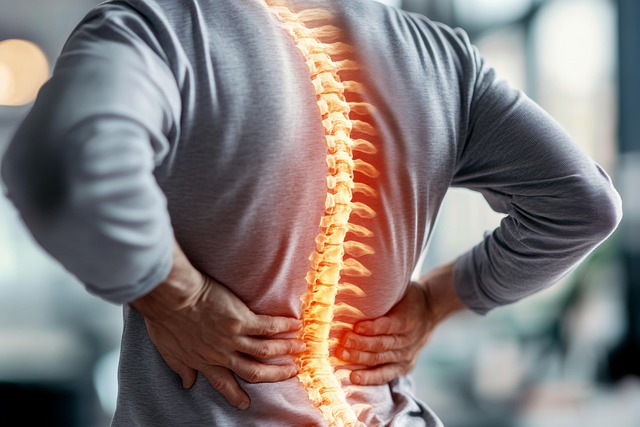
A car crash, even at low speeds, can lead to significant spinal injuries, with disc bulges being a common concern. When a disc becomes herniated or bulged post-accident, it can press on nearby nerves, causing pain, numbness, or weakness. This condition often requires immediate attention, and one effective treatment option is chiropractic management for herniated discs post-car crash naturally. Chiropractors are experts in the musculoskeletal system, skilled in diagnosing and treating such injuries without invasive procedures.
Understanding disc bulges after car crashes starts with knowing the anatomy of the spine. Intervertebral discs act as cushions between vertebrae, absorbing shock and allowing spinal flexibility. In a collision, however, these discs can tear or stretch, leading to herniation. Common symptoms include lower back pain, sciatica (leg pain), or neck discomfort, depending on the affected area. Chiropractic care focuses on reducing nerve irritation, promoting disc healing, and restoring range of motion through various techniques such as adjustments, soft tissue therapy, and personalized exercise programs.
The benefits of chiropractic management are supported by research. A study published in the Journal of Manipulative and Physiological Therapeutics found that chiropractic care improved pain and disability in patients with whiplash-associated disorders, including disc bulges. Early intervention is key; seeking chiropractic care within the first few weeks after an accident can lead to better outcomes. Chiropractors work collaboratively with patients to develop long-term strategies for managing pain and preventing future injuries, ensuring a safe and natural approach to recovery.
Chiropractic Management: Natural Relief for Herniated Discs

Chiropractic management offers a promising approach for individuals suffering from disc bulges following accidents, particularly car crashes. This non-invasive treatment modality focuses on restoring the body’s natural alignment and promoting self-healing mechanisms. When a patient presents with a herniated disc post-crash, chiropractors employ various techniques to alleviate pain and improve neurological function without the need for surgery or pharmaceuticals.
The primary goal of chiropractic management for herniated discs is to reduce pressure on pinched nerves, facilitate spinal decompression, and support the body’s natural inflammatory response. Chiropractors utilize manual adjustments, targeted exercises, and therapeutic modalities such as heat or cold therapy. For instance, a study published in the Journal of Manual Medicine found that chiropractic care significantly improved pain levels and functional outcomes in patients with herniated discs following motor vehicle accidents. This evidence highlights the effectiveness of chiropractic management in treating disc bulges naturally and promoting patient well-being.
Chiropractors tailor treatment plans to individual needs, ensuring a personalized approach. They may recommend specific exercises to strengthen spinal muscles and improve posture, which can prevent future injuries. Additionally, they educate patients on ergonomic principles to create safer work and living environments. By addressing underlying causes and promoting self-care, chiropractic management empowers individuals to manage their disc bulge symptoms effectively over the long term. Early intervention and consistent care are key to achieving optimal outcomes without resorting to invasive procedures or relying heavily on medication.
Post-Crash Recovery: Effective Treatments & Prevention

A disc bulge following a car crash can cause significant discomfort and mobility issues, but it’s important to understand that effective treatments and preventative measures exist. Chiropractic management for herniated discs post-car crash has emerged as a natural and non-invasive approach gaining recognition in the medical community. This method focuses on realigning the spine and reducing pressure on affected nerves, allowing the body to heal itself.
Chiropractors utilize a variety of techniques including spinal adjustments, massage therapy, and specialized exercises tailored to each patient’s condition. Research shows that chiropractic care can be highly effective in alleviating pain associated with disc bulges. A study published in the Journal of Manipulative and Physiological Therapeutics found that patients who received chiropractic management reported significantly reduced pain levels and improved function compared to those who opted for surgical intervention. The gentle, precise nature of chiropractic adjustments makes it a preferred choice for many post-crash victims, offering a path to recovery without the risks associated with surgery.
Prevention is another key aspect of addressing disc bulges after accidents. Chiropractic professionals emphasize the importance of regular check-ups, especially following trauma. Early detection and intervention can prevent minor injuries from escalating into more severe conditions. Chiropractors may recommend specific exercises and stretching routines to strengthen the back and core muscles, enhancing overall stability. Additionally, maintaining proper posture while sitting and lifting objects safely are crucial elements in preventing disc bulges from reoccurring. By combining chiropractic management with proactive measures, individuals can naturally promote healing and significantly reduce the risk of future complications.
A car crash can lead to disc bulges, causing pain and discomfort. Chiropractic management offers a natural and effective relief for herniated discs post-car crash. By understanding the specific implications of such injuries and leveraging chiropractic care alongside targeted recovery strategies, individuals can navigate their path to healing efficiently. The article has illuminated crucial aspects of post-crash recovery, emphasizing the importance of early intervention and specialized treatment. Through this comprehensive guide, readers now possess invaluable knowledge on managing herniated discs naturally, enabling them to take proactive steps towards a pain-free life.