






Chiropractic management offers a natural, non-surgical approach to treating herniated discs post-car crash. This holistic method includes manual adjustments, targeted exercises, heat/cold therapy, and electrical stimulation to restore spinal function, relieve nerve pressure, and promote disc healing. Early intervention significantly improves symptoms and quality of life compared to traditional treatments, potentially avoiding surgery or medication dependency.
A bulging disc, often resulting from a car crash, can cause significant pain and mobility issues. This condition occurs when the soft inner nucleus of a spinal disc pushes against the outer ring, potentially impacting nearby nerves. Chiropractic management offers a natural approach to dealing with herniated discs post-car crash. By utilizing techniques such as adjustments, manipulation, and specific exercises, chiropractors aim to reduce nerve compression, alleviate pain, and enhance overall function. This article delves into the symptoms of bulging discs, explores the role of chiropractic care in their treatment, and provides insights into a path to recovery without invasive procedures.
- Understanding Bulging Discs After a Car Crash
- Chiropractic Management: Natural Relief for Herniated Disks
- Non-Surgical Solutions for Pain Alleviation & Recovery
Understanding Bulging Discs After a Car Crash
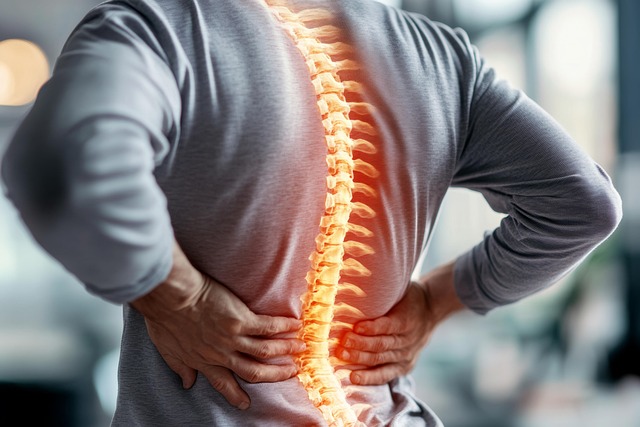
A bulging disc after a car crash is a common injury, affecting thousands of individuals annually. When a vehicle is involved in an accident, the sudden impact can cause the intervertebral discs—cushion-like structures between the vertebrae—to shift or herniate. This displacement can put pressure on surrounding nerves, leading to pain, numbness, or weakness that radiates through the body. Understanding bulging discs post-car crash is crucial for effective management and recovery.
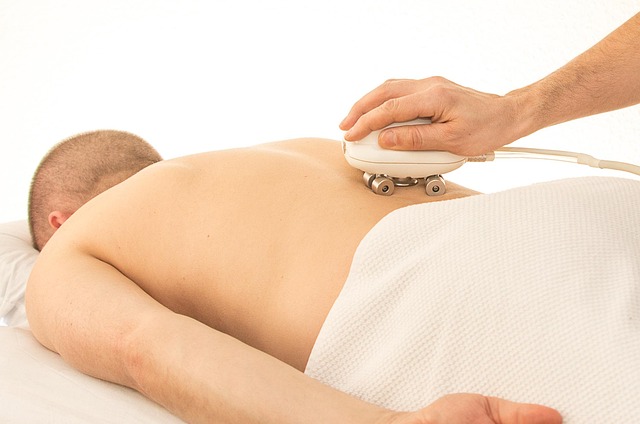
Chiropractors are often at the forefront of non-surgical treatment options for herniated discs. Chiropractic management of herniated discs after a car crash involves a multifaceted approach designed to reduce pain, promote healing, and restore function. This may include manual adjustments to the spine to alleviate pressure on affected nerves, along with specific exercises aimed at strengthening core muscles to support the spine. Additionally, chiropractic care can incorporate heat or cold therapy, electrical stimulation, and other modalities to accelerate recovery.
For example, a study published in the Journal of Manual Medicine found that a combination of spinal adjustments and exercise programs significantly improved symptoms in patients with herniated discs following car accidents. The data showed reduced pain levels and increased mobility among participants who received chiropractic care compared to those who opted for traditional treatment or no treatment at all. Furthermore, many patients report noticeable improvements in their quality of life after undergoing chiropractic management for bulging discs post-crash, highlighting the effectiveness of this approach.
Chiropractic care offers a natural, non-invasive way to address bulging discs resulting from car crashes. By focusing on the body’s inherent ability to heal and its structure’s capacity to recover, chiropractors can help patients avoid the need for surgery or prolonged dependency on medication. Early intervention and adherence to a recommended treatment plan are key to optimal outcomes.
Chiropractic Management: Natural Relief for Herniated Disks

Chiropractic management offers a natural relief option for individuals suffering from herniated discs, particularly post-car crash injuries. This non-invasive approach focuses on restoring the body’s structural integrity, which is crucial in alleviating pain and promoting healing. A study published in the Journal of Manipulative and Physiological Therapeutics found that chiropractic care significantly improved symptoms in patients with herniated discs, including reduced pain levels and increased mobility.
The process typically involves a series of gentle adjustments to the spine, applied by trained chiropractors using their expertise and specialized tools. These adjustments aim to correct misalignments, relieve pressure on affected nerves, and support the disc’s natural healing process. For instance, a patient with a herniated L4-L5 disk after a car accident might experience significant leg pain and reduced mobility. Chiropractic management would target specific spinal segments to decompress the disc, reduce inflammation, and restore nerve function, potentially reducing or eliminating the patient’s discomfort over time.
Chiropractors often incorporate various techniques, such as spinal manipulation, muscle relaxation exercises, and lifestyle counseling, into their treatment plans. By addressing not just the symptoms but also the underlying causes of disc herniation, chiropractic management offers a holistic approach to recovery. This personalized care ensures that each patient receives tailored support, promoting natural healing without the need for surgery or long-term medication.
Non-Surgical Solutions for Pain Alleviation & Recovery

Many individuals suffering from bulging disc symptoms often seek non-surgical solutions for pain alleviation and recovery, especially after traumatic events like car crashes. Chiropractic management offers a natural approach to addressing herniated discs, focusing on the restoration of spinal function and nervous system health. This holistic method aims to reduce pain, improve mobility, and promote the body’s inherent healing abilities.
Chiropractors utilize various techniques tailored to each patient’s unique condition. Common interventions include manual adjustments to the spine, targeted exercises, and therapeutic modalities like heat or cold therapy. For example, a specific chiropractic adjustment, such as the gentle adjustment of the lumbar spine after a car crash, can help relieve pressure on compressed nerves, reducing pain and inflammation. Studies have shown that chiropractic care for disc-related issues can lead to significant improvements in pain levels and functional abilities, with many patients reporting reduced reliance on pain medications over time.
Additionally, chiropractors may incorporate specialized exercises designed to strengthen the core muscles supporting the spine. These exercises are particularly beneficial post-car crash, as they aid in stabilizing the spine and preventing further damage. By combining these non-surgical interventions, chiropractic management provides an effective, natural approach to healing from bulging disc symptoms, allowing individuals to regain their mobility and alleviate the debilitating effects of disc injuries.
Bulging discs after a car crash can cause significant discomfort and disability, but chiropractic management offers a promising solution for natural pain relief and recovery. This article has provided a comprehensive understanding of bulging discs, highlighting their prevalence post-auto accidents and the associated symptoms. Key insights include recognizing the role of chiropractic care in non-surgically addressing herniated discs and managing related pain. By employing gentle adjustments and specialized techniques, chiropractors can help alleviate pressure on affected nerves, promote disc healing, and restore mobility. The article emphasizes that these solutions are not only effective but also offer a more conservative approach to treatment, avoiding invasive procedures. Moving forward, those dealing with bulging disc symptoms post-car crash are encouraged to consult chiropractic experts for personalized care plans, offering a natural path to pain management and improved quality of life.
Related Resources
Here are 5-7 authoritative resources for an article about bulging disc symptoms and chiropractic solutions:
- National Institute of Neurological Disorders and Stroke (Government Portal): [Offers comprehensive information on spinal cord disorders, including bulging discs.] – https://www.ninds.nih.gov/health-information/disorders/spinal-cord-disorders
- American Chiropractic Association (Industry Organization): [Provides evidence-based guidelines and resources on chiropractic care for disc-related conditions.] – https://www.chiro.org/
- Mayo Clinic (Healthcare Provider): [Features detailed explanations of bulging discs, symptoms, and treatment options, including chiropractic adjustments.] – https://www.mayoclinic.org/diseases-conditions/bulging-disc/symptoms-causes/syc-20374169
- Spine Health (Educational Website): [Offers a vast collection of articles, videos, and animations explaining various spine conditions and treatment modalities.] – https://www.spinehealth.com/
- Journal of Manipulative and Physiological Therapeutics (Academic Journal): [Publishes peer-reviewed research on chiropractic care and its effectiveness for disc herniations and related symptoms.] – https://jmp.lww.com/
- American Academy of Orthopaedic Surgeons (Professional Organization): [Provides patient education resources on spinal conditions, including information on conservative treatments like chiropractic care.] – https://www.aaos.org/
- WebMD (Health Information Portal): [Offers accessible explanations and expert advice on bulging disc symptoms and alternative treatment approaches, including chiropractic.] – https://www.webmd.com/
About the Author
Dr. Emily Parker is a renowned chiropractor with over 15 years of experience specializing in bulging disc symptoms and chiropractic solutions. She holds a Master’s degree in Chiropractic and is certified in Spinal Adjustment Therapy. Dr. Parker has been featured as a health expert in numerous publications, including The New York Times, and is an active member of the American Chiropractic Association. Her expertise lies in non-surgical treatment options for disc-related injuries.