





Chiropractic management offers a non-invasive, drug-free approach to rehabilitating herniated discs after a post-car crash, focusing on spinal adjustments and mobilization to reduce nerve pressure, alleviate pain, restore mobility, and promote long-term disc health.
“Discover the power of non-invasive disc rehabilitation for a healthier spine. After a post-car crash, navigating herniated discs without surgery is now easier than ever. This comprehensive guide explores effective strategies like chiropractic management, offering a gentle approach to healing. Learn how to rehabilitate your spine through step-by-step processes, gaining control over your recovery. Say goodbye to pain and hello to a stronger, more flexible you.”
- Chiropractic Management: A Gentle Approach to Healing
- Post-Car Crash: Navigating Herniated Discs Without Surgery
- Rehabilitating Your Spine: Step-by-Step Process
Chiropractic Management: A Gentle Approach to Healing
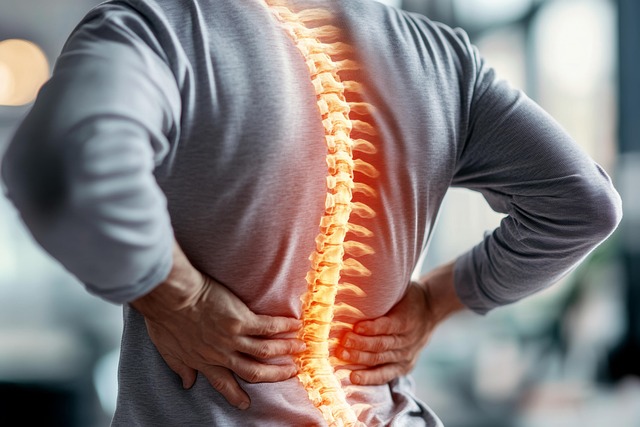
Chiropractice offers a gentle yet effective approach to non-invasive disc rehabilitation, particularly for individuals suffering from herniated discs following a post-car crash. Chiropractors focus on adjusting and mobilizing the spine to reduce pressure on affected nerves, alleviate pain, and restore mobility. This manual therapy can be highly beneficial in managing symptoms without the need for invasive procedures.
The gentle nature of chiropractic management makes it an ideal choice for those who prefer a drug-free or minimally invasive treatment option. Through specialized techniques such as spinal adjustments, joint mobilization, and soft tissue therapy, chiropractors aim to support the body’s natural healing process. This holistic approach not only treats the symptoms but also addresses underlying structural issues, promoting long-term disc health and overall well-being.
Post-Car Crash: Navigating Herniated Discs Without Surgery

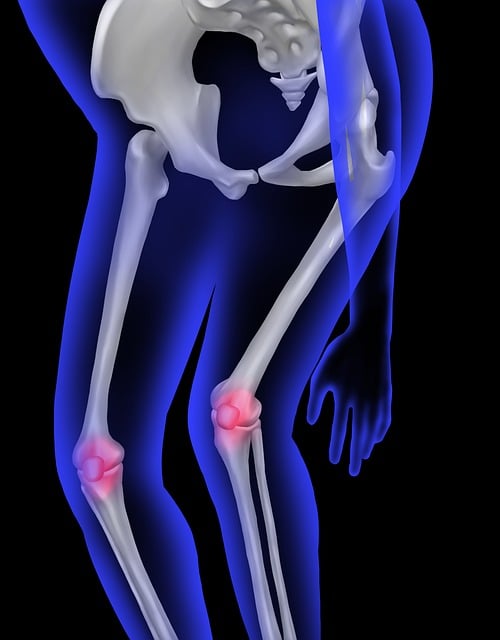
After a car crash, many individuals face the challenge of dealing with herniated discs, which can lead to significant pain and discomfort. Chiropractic management offers a non-invasive approach to rehabilitating these injured discs. Chiropractors utilize a range of techniques, including manual adjustments, targeted exercises, and therapeutic modalities, to alleviate pain and improve spinal function without the need for surgery.
In the aftermath of a car accident, the sudden impact can cause disc herniation, where the soft inner nucleus pushes through a tear in the outer ring. Chiropractic care focuses on reducing inflammation, promoting healing, and restoring stability to the affected area. Through careful assessment and personalized treatment plans, chiropractors guide patients towards recovery, helping them avoid invasive procedures and embrace a more natural path to rehabilitation.
Rehabilitating Your Spine: Step-by-Step Process

Rehabilitating your spine after a post-car crash injury, such as a herniated disc, often involves a meticulous and gradual process guided by chiropractic management. The journey to recovery begins with an initial assessment where healthcare professionals thoroughly evaluate your condition. This step is crucial in designing a personalized treatment plan that caters to your specific needs.
Chiropractic care plays a pivotal role in non-invasive disc rehabilitation. It typically includes a combination of adjustments, manual therapy, and targeted exercises. The chiropractic manager will start with gentle manipulations to alleviate pressure on the affected area, reducing pain and inflammation. As recovery progresses, more advanced techniques may be employed to restore mobility and strengthen surrounding muscles, ultimately aiming to prevent future injuries and promote long-term spinal health.
Non-invasive disc rehabilitation offers a gentle yet effective path to healing for those dealing with herniated discs, especially after a post-car crash. Chiropractic management plays a crucial role in this process, providing a safe and natural approach to alleviate pain and restore function. By following a step-by-step rehabilitative process, individuals can effectively manage their conditions without the need for invasive surgeries. These strategies empower folks to take control of their spinal health and experience a smoother recovery journey.