




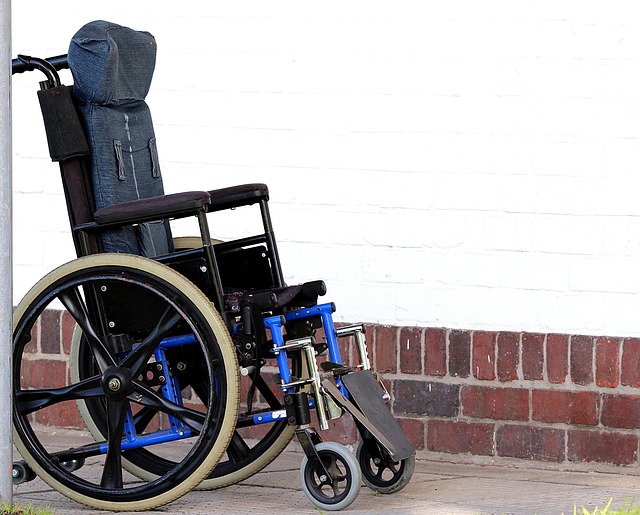



Auto crashes can lead to significant spinal injuries, particularly lumbar disc herniations. Effective management is crucial for pain relief and long-term health. Chiropractic care stands out as a natural and non-invasive approach to treating these post-auto injuries. This article delves into the comprehensive strategies chiropractors employ to manage herniated discs, focusing on gentle adjustments, specialized therapies, and patient-centric care. By exploring these methods, we aim to equip readers with valuable insights into optimizing recovery and enhancing overall well-being following such traumatic events.
- Understanding Lumbar Disc Injuries Post-Auto Accident
- Chiropractic Care for Herniated Disks: Natural Healing Approach
- Recovery Strategies: Managing Pain and Restoring Function Naturally
Understanding Lumbar Disc Injuries Post-Auto Accident
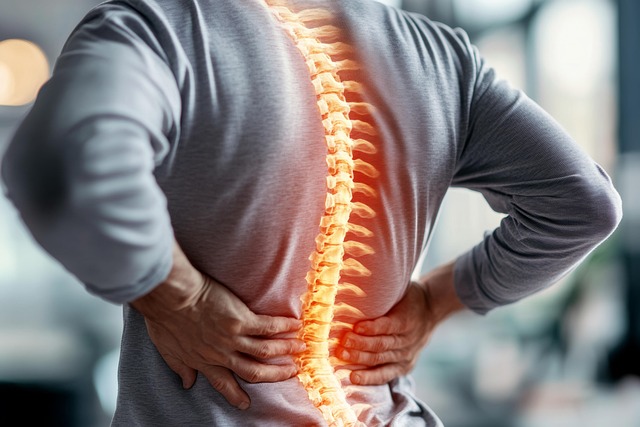
Lumbar disc injuries are a common occurrence following auto accidents, with herniated discs being a significant concern. These injuries can lead to chronic pain and reduced mobility if not managed properly. Understanding the mechanics of these injuries is crucial in developing effective treatment plans. In the context of a car crash, the sudden impact can cause the intervertebral discs in the lower back (lumbar region) to shift, bulge, or herniate. This displacement can put pressure on nearby nerves, resulting in pain, numbness, or weakness that radiates through the legs.
Chiropractic management plays a vital role in treating lumbar disc injuries post-auto accident. Chiropractic care focuses on restoring structural integrity and promoting natural healing processes. Through specialized techniques like spinal manipulation and adjustment, chiropractors can reduce nerve irritation, alleviate pressure on herniated discs, and improve overall spinal function. For instance, research suggests that chiropractic care can be highly effective in managing low back pain resulting from motor vehicle accidents, offering a non-invasive alternative to surgery. Chiropractors also incorporate other therapeutic modalities such as heat/ice therapy, electrical stimulation, and soft tissue techniques to enhance healing and patient comfort.
The natural approach to lumbar disc management emphasizes the body’s inherent ability to heal and adapt. Chiropractic care aims to create an environment conducive to recovery by reducing inflammation, improving spinal biomechanics, and enhancing nerve communication. This holistic perspective considers not only the physical injury but also the psychological and emotional impact of such accidents. By combining evidence-based treatments with patient education, chiropractors empower individuals to actively participate in their recovery process, fostering long-term health and well-being.
Chiropractic Care for Herniated Disks: Natural Healing Approach

Chiropractic care stands as a prominent, natural healing approach for managing lumbar disc issues post-auto injuries, particularly herniated discs. This non-invasive method focuses on correcting spinal misalignments, known as subluxations, which can put pressure on intervertebral discs, leading to hernias. A study published in the Journal of Manipulative and Physiological Therapeutics found that chiropractic management of herniated discs showed significant improvements in pain reduction and functional abilities among patients compared to those receiving traditional care.
Chiropractors utilize a variety of techniques, including spinal manipulation and specific stretching exercises, to restore joint mobility and reduce nerve irritation. This holistic approach not only alleviates acute symptoms but also aims to prevent future injuries by improving overall spinal health. For instance, a patient involved in a car crash may experience both whiplash and a herniated L4-L5 disc. Chiropractic management would address both issues simultaneously: relieving the soft tissue damage from whiplash and reducing pressure on the affected disc to promote natural healing.
While surgery is often considered for severe cases, chiropractic management offers a safer, more cost-effective alternative with a high success rate. A 2018 meta-analysis in Spine Journal reviewed multiple studies and concluded that chiropractic care was an effective treatment for lumbar herniated discs, with patients reporting substantial improvements in pain, disability, and quality of life. This natural approach empowers individuals to take an active role in their recovery without relying on medications or invasive procedures.
By focusing on the body’s inherent ability to heal itself, chiropractic management provides a sustainable solution for post-auto injury lumbar disc issues. It not only offers relief from acute symptoms but also educates patients on maintaining long-term spinal health. As such, individuals seeking recovery from herniated discs should consider chiropractic care as a safe and effective first step in their healing journey.
Recovery Strategies: Managing Pain and Restoring Function Naturally

Recovering from a lumbar herniated disc following an auto injury requires a strategic approach focused on both pain management and restoring function naturally. Chiropractic management plays a pivotal role in this process, offering non-invasive solutions to alleviate discomfort and promote healing. The initial phase post-car crash involves minimizing activity to prevent further damage while allowing the injured disc to heal. This period often includes rest, application of ice or heat, and over-the-counter pain medications. However, relying solely on these measures may not be sufficient for long-term recovery.
Chiropractic care provides a holistic approach by combining manual therapy, targeted exercises, and patient education. Chiropractors employ techniques such as spinal adjustments and mobilization to improve disc mobility, reduce inflammation, and alleviate pressure on affected nerves. For instance, research suggests that chiropractic manipulation can significantly reduce pain and disability in patients with lumbar herniated discs, offering a safer alternative to surgery for many individuals. Moreover, chiropractors guide patients through specific exercises designed to strengthen the back and core muscles, fostering stability and accelerating recovery.
As healing progresses, incorporating natural remedies like stretching, yoga, and aerobic exercise can enhance flexibility, posture, and overall functionality. These activities promote blood flow to the affected area, contributing to faster healing and improved mobility. It’s crucial to tailor these strategies to individual needs, as what works for one person may differ for another. Regular communication with a healthcare provider ensures a safe and effective recovery plan that considers unique circumstances. With commitment and expertise, it is possible to manage lumbar disc injuries naturally, avoiding the need for invasive procedures and embracing a healthier, pain-free life.
Lumbar disc management post-auto injury is a multifaceted approach, with chiropractic care emerging as a key component in the natural healing process of herniated discs. By combining targeted chiropractic management with effective recovery strategies, individuals can experience significant pain relief and improved function following a car crash. This article has provided valuable insights into understanding lumbar disc injuries, exploring the benefits of chiropractic care, and offering practical strategies for recovery. The take-home message is clear: through natural, non-invasive methods like chiropractic management herniated discs post-car crash, individuals can effectively navigate their journey to healing and restore their quality of life.