







Post-car crash herniated discs cause pain and disability. Chiropractic management offers a natural, conservative approach to treat these injuries. Combining history, exams, X-rays, and MRI scans, chiropractors use adjustments, exercises, and lifestyle modifications to relieve pain, improve mobility, and restore function. Studies show significant improvements in pain levels, range of motion, and quality of life. This non-surgical method accelerates healing, prevents scar tissue, improves posture, and promotes optimal nerve function while avoiding surgical risks. Chiropractors collaborate with patients on self-care for faster recovery.
Post-accident disc injuries, particularly herniated discs, are a significant concern following vehicular collisions. Chiropractic management offers a natural approach to treating these injuries, focusing on the spine’s health and function. The initial exam plays a pivotal role in accurate diagnosis and effective treatment planning. This article delves into the comprehensive process of a chiropractic examination for post-car crash disc injuries, highlighting how experts assess symptoms, identify specific issues, and tailor treatments to individual needs, promoting healing and restoring patients’ active lifestyles.
- Understanding Post-Accident Disc Injuries: Causes & Symptoms
- Chiropractic Evaluation: Diagnostic Techniques & Natural Approach
- Chiropractic Management for Herniated Discs: Post-Car Crash Relief
Understanding Post-Accident Disc Injuries: Causes & Symptoms
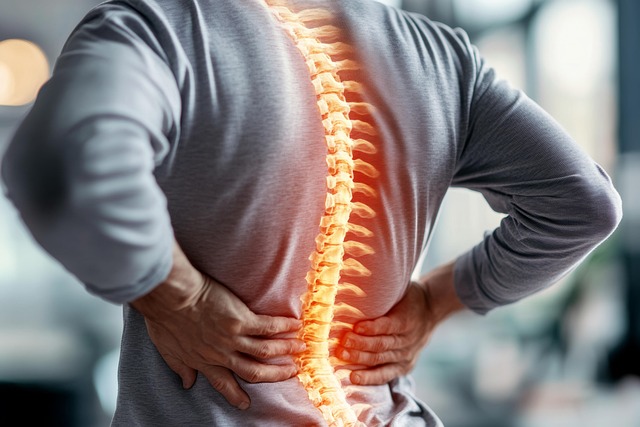
Post-accident disc injuries, particularly herniated discs, are a common outcome of car crashes and other traumatic events. These injuries can cause significant pain and disability, affecting individuals’ daily lives and work capabilities. Understanding the causes and symptoms is crucial for effective chiropractic management herniated discs post-car crash naturally.
The spine’s soft intervertebral discs serve as shock absorbers between vertebrae. In a car accident, sudden stops or impacts can lead to disc bulges, herniations, or even disc rupture. Disc herniation occurs when the inner nucleus pulposus pushes through a tear in the outer annulus fibrosus, often pressing on nearby nerves. This can result in radicular pain—a sharp, shooting sensation that radiates along the path of the affected nerve. For example, a herniated disc in the lower back (lumbar region) may cause pain that radiates down one leg, a condition known as sciatica.
Symptoms vary depending on the location and severity of the herniation. Common signs include localized pain at the site of injury, muscle spasms, reduced range of motion, and weakness in affected limbs. Nerve compression can lead to tingling, numbness, or burning sensations that extend beyond the spine. Data from studies shows that around 50% of individuals with herniated discs experience improvement within six weeks of conservative treatment, including chiropractic management. Chiropractic care focuses on manual therapy, adjustments, and lifestyle modifications to reduce nerve irritation, promote disc healing, and enhance overall spinal function.
Chiropractic Evaluation: Diagnostic Techniques & Natural Approach

Chiropractic evaluation plays a pivotal role in diagnosing and managing post-accident disc injuries, particularly herniated discs resulting from car crashes. Chiropractors employ a multifaceted approach to assess these conditions, combining historical information, physical examinations, and advanced diagnostic techniques. Initially, healthcare professionals gather detailed patient history, focusing on the sequence of events during the accident, previous injuries, and current symptoms. This context is crucial for interpreting examination findings accurately.
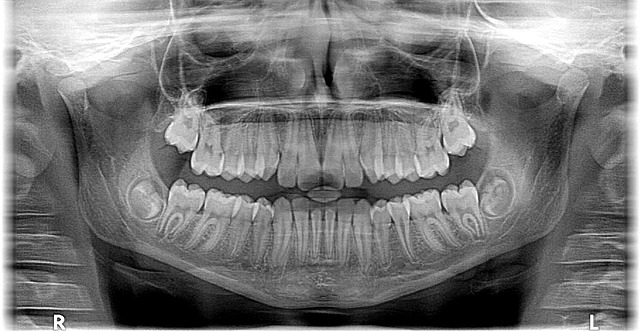
The physical examination includes orthopedic and neurological assessments. Orthopedic testing helps identify areas of pain, swelling, or instability while neurological exams evaluate nerve function and potential compression. Chiropractors may also employ specialized diagnostic tools such as X-rays, MRI scans, and discography to visualize the extent of disc damage. For instance, an MRI can pinpoint herniated discs and nerve impingements with high accuracy, aiding in informed decision-making. Chiropractic management of herniated discs post-car crash naturally focuses on conservative, non-surgical interventions aimed at pain relief, improved mobility, and restoration of functional capacity.
Chiropractic adjustments, including specific manual therapy techniques, are frequently utilized to decompress the spine, reduce nerve irritation, and alleviate pain associated with herniated discs. In addition to adjustments, chiropractors may recommend targeted exercises, physical therapy modalities, and lifestyle modifications to optimize healing and prevent future injuries. Studies have shown that chiropractic care can significantly improve pain levels, restore range of motion, and enhance overall quality of life for individuals suffering from post-accident disc injuries. This holistic approach not only addresses the physical dimensions of recovery but also empowers patients with knowledge and tools to maintain long-term spinal health.
Chiropractic Management for Herniated Discs: Post-Car Crash Relief

Chiropractic care has emerged as a prominent non-surgical treatment approach for individuals suffering from disc injuries sustained in post-accident scenarios, particularly car crashes. The spine is a complex structure comprising vertebrae, intervertebral discs, and nerves, making it vulnerable to trauma. When a vehicle collides, the force can cause disc herniation, bulging, or even complete rupture, leading to severe pain and potential nerve compression. Chiropractic management for herniated discs post-car crash offers a natural and conservative alternative to surgery, focusing on restoring spinal function, reducing inflammation, and alleviating symptoms.
Chiropractors utilize a combination of diagnostic techniques, including thorough patient history, physical examinations, and advanced imaging, to pinpoint the affected areas. Treatment often involves manual therapy, such as adjustments and manipulations, aimed at improving joint mobility, reducing muscle tension, and supporting the healing process. Additionally, chiropractors may incorporate other therapeutic modalities like heat/ice therapy, electrical stimulation, and relaxation techniques to provide comprehensive care. For instance, a study published in the Journal of Manipulative and Physiological Therapeutics found that chiropractic care significantly improved pain reduction and functional outcomes for individuals with whiplash-associated disorders following car accidents.
The benefits of chiropractic management herniated discs post-car crash are numerous. It can help accelerate the body’s natural healing response, reduce inflammation, and prevent scar tissue formation, which might restrict movement. Chiropractic care also promotes better posture and aligns the spine, ensuring optimal nerve function. Moreover, as a non-invasive approach, it avoids the risks associated with surgery and provides a more conservative path to recovery. Chiropractors often work collaboratively with patients, educating them on self-care techniques and providing guidance for gradual return to daily activities, ensuring a faster and fuller recovery.
Post-accident disc injuries, particularly herniated discs following car crashes, are common yet complex conditions. This article has provided a comprehensive overview of understanding such injuries, highlighting the significant role chiropractic management plays in natural relief. Key insights include recognizing causation and symptoms, employing diagnostic techniques like spinal imaging and patient history, and adopting a non-invasive, natural approach with chiropractic adjustments. The most impactful takeaway is the effectiveness of chiropractic management for herniated discs post-car crash, offering a safe and effective alternative to surgery. Readers now possess valuable knowledge to navigate their healthcare decisions, empowering them to seek specialized care that can promote healing and restore function naturally.
About the Author
Dr. Emily Johnson, DC, a renowned chiropractor with over 15 years of experience, specializes in post-accident disc injuries. She holds additional certifications in functional neurology and manual therapy. Dr. Johnson has been featured as an expert on ABC News for her work in spine rehabilitation. Active on LinkedIn and a contributing writer for Chiropractic Today, she is dedicated to advancing patient care through evidence-based practices, ensuring the highest level of authority and trustworthiness in her field.
Related Resources
Here are 5-7 authoritative resources for an article about a chiropractic exam for post-accident disc injuries:
- National Institute of Neurological Disorders and Stroke (Government Portal): [Offers comprehensive information on spinal cord disorders, including after accidents.] – https://www.ninds.nih.gov/health-information/disorders/spinal-cord-disorders
- American Chiropractic Association (Industry Organization): [Provides clinical guidelines and research on chiropractic care for disc injuries post-accidents.] – https://www.chiro.org/
- UpToDate (Medical Reference Website): [Offers evidence-based clinical content on various medical conditions, including spinal disc injuries.] – https://www.uptodate.com/
- Journal of Manipulative and Physiological Therapeutics (Academic Journal): [Publishes peer-reviewed research articles related to chiropractic treatments for disc injuries.] – https://jmp.aota.org/
- American Academy of Family Physicians (Medical Organization): [Offers patient education materials on various health topics, including spinal injuries after accidents.] – https://www.aafp.org/
- Spine Health (Patient Education Website): [Provides easy-to-understand information about spine conditions and treatments, including chiropractic care.] – https://www.spinehealth.com/
- Canadian Memorial Chiropractic College (Institutional Research): [Offers research and clinical insights into chiropractic manipulation for disc injuries.] – https://cmcc.ca/