


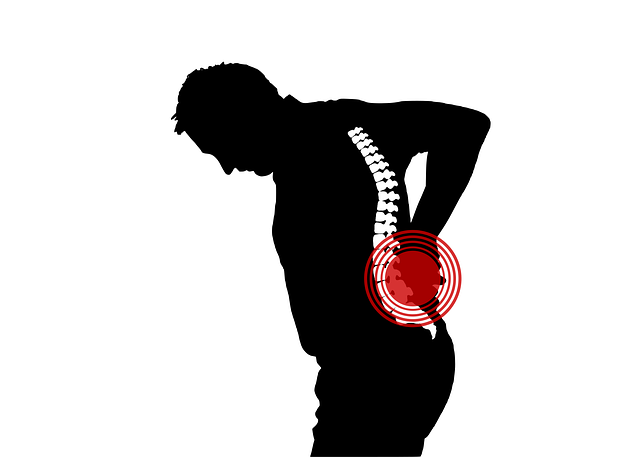


Car crashes can cause herniated discs, leading to back pain. Chiropractic management offers non-invasive treatments like spinal adjustments and heat/ice therapy to reduce inflammation, decompress affected areas, and support natural healing. This comprehensive approach alleviates pain, enhances mobility, and restores spinal function without surgery. Regular chiropractic check-ups, muscle strengthening, good posture, and safe driving habits can prevent future herniated discs.
After a car crash, understanding the potential implications of a herniated disc is crucial. This article delves into the intricacies of herniated disc treatment specifically after a motor vehicle accident, focusing on chiropractic management as a non-surgical treatment option. We explore recovery strategies and prevention techniques to help individuals navigate post-accident care and reduce the risk of future injuries. By employing chiropractic management, individuals can effectively manage pain and promote healing following a herniated disc diagnosis post-car crash.
- Understanding Herniated Discs After a Car Crash
- Chiropractic Management: Non-Surgical Treatment Options
- Recovery and Prevention Strategies for Future Accidents
Understanding Herniated Discs After a Car Crash
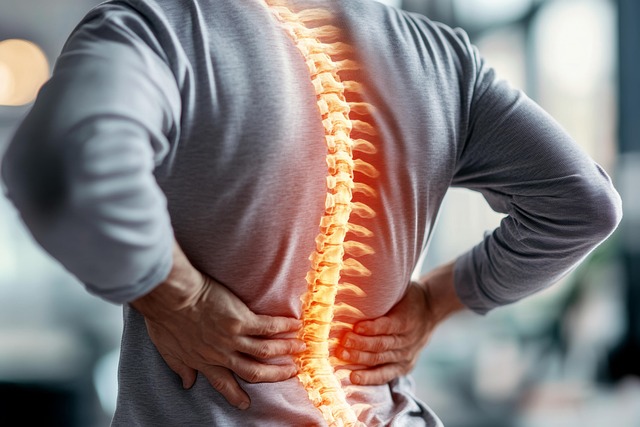
After a car crash, it’s not uncommon for individuals to experience back pain, and one of the potential causes is a herniated disc. The sudden impact and force during an accident can lead to damage or strain on the soft, gel-like material inside your spinal discs, resulting in a herniation. This condition occurs when the inner nucleus pulposus pushes through a tear in the outer ring, putting pressure on nearby nerves. Understanding what happens during a car crash and its impact on your spine is crucial for seeking the appropriate treatment, such as chiropractic management, for herniated discs post-car crash.
Chiropractors are trained to assess and diagnose spinal injuries, including herniated discs. They employ various techniques like manipulation and adjustment to alleviate pain, improve mobility, and promote healing. Chiropractic management focuses on reducing inflammation, decompressing the affected area, and supporting the natural healing process of the body. This non-invasive approach often proves effective in managing pain and restoring function after a car crash-related herniated disc injury.
Chiropractic Management: Non-Surgical Treatment Options
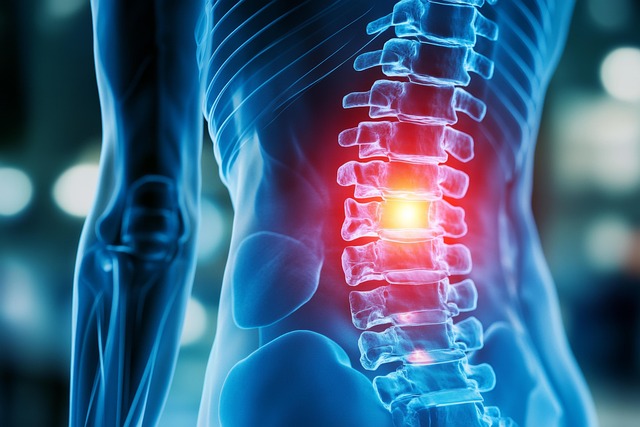
Chiropractic management offers a range of non-surgical treatment options for individuals suffering from herniated discs following a car crash. Skilled chiropractors utilize various techniques to alleviate pain and promote healing. Adjustments, or manipulations, to the spine can help realign misaligned vertebrae, reducing pressure on affected nerves. This conservative approach is often the first line of defense in managing herniated discs, aiming to restore mobility and alleviate symptoms without surgery.
In addition to adjustments, chiropractors may incorporate other modalities such as heat/ice therapy, electrical stimulation, massage, and exercise protocols tailored to the patient’s needs. These complementary treatments work synergistically with adjustments to reduce inflammation, improve circulation, and strengthen supporting musculature around the spine, thereby contributing to a more effective herniated disc treatment plan post-car crash.
Recovery and Prevention Strategies for Future Accidents

After a car crash, the initial focus is often on acute injuries. However, it’s crucial to recognize that herniated discs can also occur and may require long-term recovery strategies. Chiropractic management plays a significant role in treating herniated discs post-car crash by reducing pain, improving mobility, and restoring spinal function. This non-invasive approach includes adjustments, manual therapy, and exercises tailored to the patient’s specific condition.
To prevent future accidents and further damage, individuals should adopt certain lifestyle changes. Regular chiropractic check-ups can help maintain spinal health and detect potential issues early on. Strengthening back muscles through targeted exercises and maintaining good posture are also essential preventive measures. Additionally, being mindful of driving habits, such as avoiding abrupt movements and maintaining a safe distance, can significantly reduce the risk of disc herniation in subsequent accidents.
After a car crash, understanding and addressing a herniated disc is crucial for a full recovery. Chiropractic management offers non-surgical treatment options that can significantly alleviate pain and restore function. By implementing effective recovery and prevention strategies, individuals can reduce the risk of future accidents and ensure better long-term health. If you’ve experienced a herniated disc post-car crash, consider consulting with a professional to explore chiropractic management as a safe and effective route towards healing.