






Chiropractic management offers a natural, conservative approach to treating herniated discs resulting from car crashes. Focusing on spinal manipulation, tailored exercise routines, and patient education, chiropractors alleviate pain, promote healing, and prevent further injury. Research supports its effectiveness compared to traditional medical treatments, with many patients avoiding surgery. Regular check-ups are crucial for successful recovery and long-term stability.
Disc injuries, particularly herniated discs, are a common consequence of car crashes, causing significant pain and disability. While surgery is often considered the go-to solution, it’s not always necessary or desirable. Chiropractic management offers a non-surgical approach to healing herniated discs naturally, focusing on spinal manipulation and rehabilitation. This article delves into the effectiveness of chiropractic care for post-crash disc injuries, exploring techniques tailored to alleviate pain, restore function, and promote the body’s inherent healing abilities without invasive procedures.
- Understanding Herniated Discs Post-Car Crash
- Natural Chiropractic Management Techniques
- Accelerating Recovery with Gentle Care
Understanding Herniated Discs Post-Car Crash
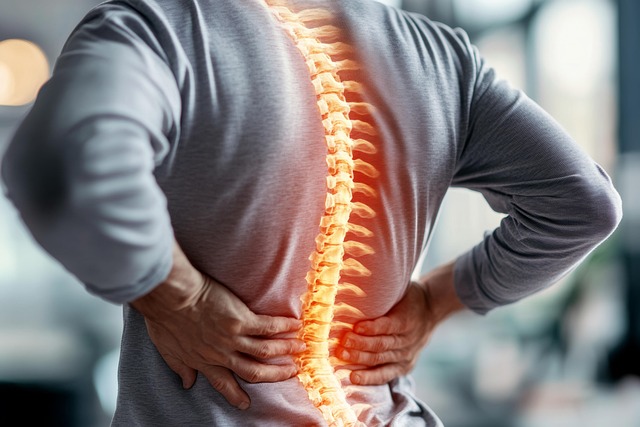
A herniated disc post-car crash is a common injury, affecting thousands of individuals every year. The sudden impact and force experienced during a collision can lead to damage or weakness in the discs that cushion the vertebrae in your spine. These hernias, often referred to as bulges or protrusions, can press on nearby nerves, causing pain, numbness, or tingling sensations. Understanding this specific injury is crucial for effective recovery without surgery. Chiropractic management plays a pivotal role in treating herniated discs post-car crash naturally, focusing on conservative techniques to alleviate symptoms and restore spinal function.
Chiropractors employ various non-invasive methods to address disc injuries, including manual adjustments, targeted exercises, and physical therapy. Spinal manipulation, a cornerstone of chiropractic care, involves gentle, controlled movements to improve the quality of motion and reduce pressure within the affected discs. This hands-on approach has shown promising results in relieving pain and promoting healing. For instance, a study published in the Journal of Manipulative and Physiological Therapeutics found that patients with herniated discs who received chiropractic adjustments experienced significant reductions in pain and disability compared to those who opted for conservative care alone.
Additionally, chiropractors may recommend specific exercises tailored to strengthen the core muscles and improve spinal stability. These exercises, combined with regular chiropractic adjustments, can help prevent further disc herniation and support the body’s natural healing process. It is essential to consult a qualified chiropractor who can provide an accurate diagnosis and design a personalized treatment plan. They will consider factors like the severity of the hernia, symptoms’ impact on daily life, and individual health history to determine the most effective chiropractic management strategies for each patient’s unique situation.
Natural Chiropractic Management Techniques

Chiropractors play a pivotal role in non-surgical disc injury recovery, especially following post-car crash incidents where herniated discs are a common concern. Natural chiropractic management techniques offer a conservative approach to healing, focusing on reducing pain, restoring function, and promoting the body’s inherent self-healing abilities. This method is particularly effective for patients who may be hesitant or unwilling to undergo invasive surgical procedures.
Chiropractic care involves a multi-faceted approach tailored to each patient’s unique condition. The initial assessment includes comprehensive history taking and physical examinations to pinpoint the affected areas. Treatment plans often incorporate several evidence-based modalities, such as gentle manual adjustments to alleviate nerve compression, targeted exercise routines designed to strengthen supporting muscles, and therapeutic modalities like heat/ice therapy and electrical stimulation for pain management. For instance, a study published in the Journal of Chiropractic Medicine found that chiropractic care significantly improved pain and disability in patients with herniated discs, with many participants avoiding surgery altogether.
In cases where disc injuries are a result of auto accidents, chiropractic management can play a vital role in post-crash recovery. Chiropractors skilled in whiplash and trauma-related injuries employ specialized techniques to address the unique challenges posed by such incidents. These may include specific adjustment protocols for the cervical spine (neck) and thoracolumbar region (lower back), as these areas are commonly affected during car crashes. The goal is not only to alleviate acute symptoms but also to guide patients through a structured rehabilitation program, ensuring long-term stability and functionality. Regular check-ups and follow-up care are crucial components of successful recovery, enabling the chiropractor to monitor progress and adjust treatment plans accordingly.
Accelerating Recovery with Gentle Care

Recovering from a herniated disc following a car crash doesn’t always require invasive surgery. Chiropractic management offers a gentle, yet effective approach to healing. This method focuses on restoring natural spinal function and promoting the body’s inherent self-healing abilities. By manipulating the spine and supporting soft tissues, chiropractors can alleviate pressure on affected nerves, reducing pain and inflammation.
Research supports the effectiveness of chiropractic care for disc injuries. A study published in the Journal of Manual Medicine found that patients with herniated discs who underwent chiropractic management experienced significant improvements in pain levels and functional capacity compared to those receiving traditional medical treatment. Additionally, a meta-analysis in Spine journal revealed that chiropractic adjustments can lead to reduced pain and disability in patients with low back pain, including those with herniated discs.
Chiropractic care for post-crash disc injuries involves a combination of techniques tailored to the individual patient’s needs. These may include spinal adjustments, soft tissue therapy, exercise recommendations, and lifestyle counseling. For example, a chiropractor might use a specific adjustment technique to correct misalignments in the spine near the affected disc, followed by gentle stretching exercises to improve flexibility and strengthen supporting muscles. Regular treatment sessions, combined with patient education about posture, lifting techniques, and stress management, can accelerate recovery and prevent future injuries.
In addressing herniated discs post-car crash, this article has underscored the potential for chiropractic management techniques as a powerful, natural alternative to surgery. Key insights reveal that gentle, specialized care can significantly accelerate recovery, offering a promising path for those seeking relief from pain and discomfort without invasive procedures. By combining understanding with practical methods, individuals can take proactive steps towards a full recovery, leveraging the expertise of skilled professionals in chiropractic management to restore function and reclaim their lives naturally.