



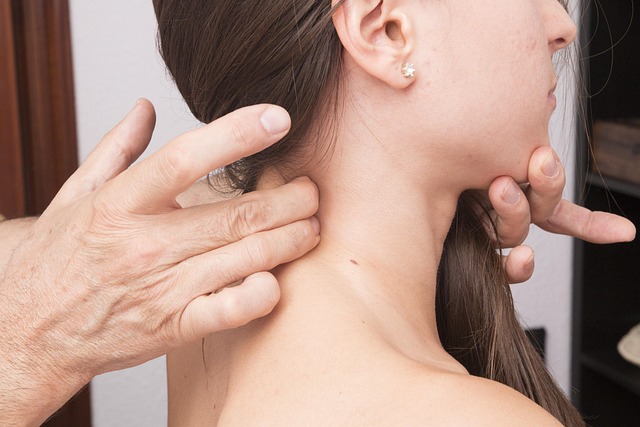


Chiropractic management offers a non-invasive approach for herniated discs resulting from post-car crashes. Chiropractors assess and diagnose spinal issues, designing personalized plans to reduce pain, improve nerve function, and facilitate disc healing through manual adjustments, exercises, and therapeutic modalities. These techniques address misalignments, reduce pressure on discs, and promote faster recovery while preventing further damage, providing a natural and effective alternative to surgery.
“Non-invasive disc rehabilitation offers a promising path for those suffering from herniated discs after a car crash, avoiding the risks and downtime associated with surgery. This article delves into effective treatments, focusing on chiropractic management as a key player in alleviating pain and promoting healing. We explore non-invasive rehabilitation techniques, highlighting their success in addressing herniated discs without surgical intervention. By understanding these methods, individuals can navigate their recovery journey with informed choices.”
- Chiropractic Management for Herniated Discs Post-Car Crash
- Understanding Non-Invasive Rehabilitation Techniques
- Effective Treatments Without Surgical Intervention
Chiropractic Management for Herniated Discs Post-Car Crash
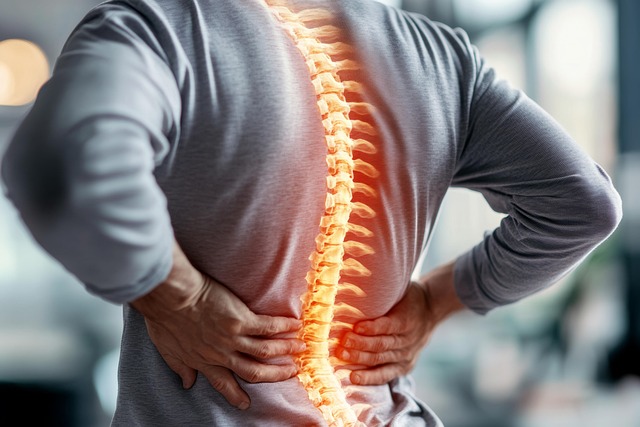
Chiropractic management plays a significant role in non-invasive disc rehabilitation, especially for individuals who have experienced a herniated disc following a car crash. Chiropractic care offers a gentle and effective approach to treating such injuries without the need for invasive procedures or surgery. Chiropractors are trained to assess and diagnose spinal issues, including herniated discs, and develop personalized treatment plans.
Post-car crash, chiropractic management focuses on reducing pain, improving nerve function, and promoting disc healing. Chiropractors utilize various techniques such as manual adjustments, targeted exercises, and therapeutic modalities to support the recovery process. By addressing the underlying spinal misalignments and reducing pressure on the affected discs, chiropractic care can help alleviate symptoms, restore mobility, and prevent further damage, ultimately contributing to a faster and more comprehensive disc rehabilitation.
Understanding Non-Invasive Rehabilitation Techniques

Non-invasive disc rehabilitation techniques have gained significant prominence in the field of spinal healthcare, especially for individuals facing issues like herniated discs after a post-car crash. Chiropractic management plays a crucial role here, offering a gentle and effective approach to healing. These methods are designed to alleviate pain and improve function without the need for surgery or invasive procedures.
One such technique is spinal manipulation, where a chiropractor uses controlled, precise force to restore joint mobility and reduce inflammation. Additionally, they may incorporate exercises tailored to strengthen the core muscles surrounding the spine, promoting better posture and stability. Such non-invasive strategies not only help in managing herniated discs but also empower patients with long-term solutions to prevent future injuries.
Effective Treatments Without Surgical Intervention

Many patients suffering from disc issues after a post-car crash often turn to surgical intervention as a first resort. However, non-invasive disc rehabilitation offers effective treatments that can restore mobility and alleviate pain without the need for surgery. Chiropractic management plays a pivotal role in this approach, focusing on adjusting the spine and supporting the body’s natural healing processes.
Chiropractors employ various techniques such as spinal manipulation, mobilisation, and therapeutic exercises to improve disc health and function. These methods have shown promising results in managing herniated discs, offering patients an alternative path to recovery. By combining these treatments with patient education and lifestyle modifications, individuals can effectively manage their symptoms and avoid the risks associated with surgery.
Non-invasive disc rehabilitation offers a promising path for those suffering from herniated discs after a car crash, providing effective treatments without resorting to surgery. Chiropractic management, combined with understanding and employing non-invasive rehabilitation techniques, can significantly improve outcomes. By prioritizing these approaches, individuals can experience relief from pain and regain mobility, all while avoiding the risks and complications associated with surgical intervention.